
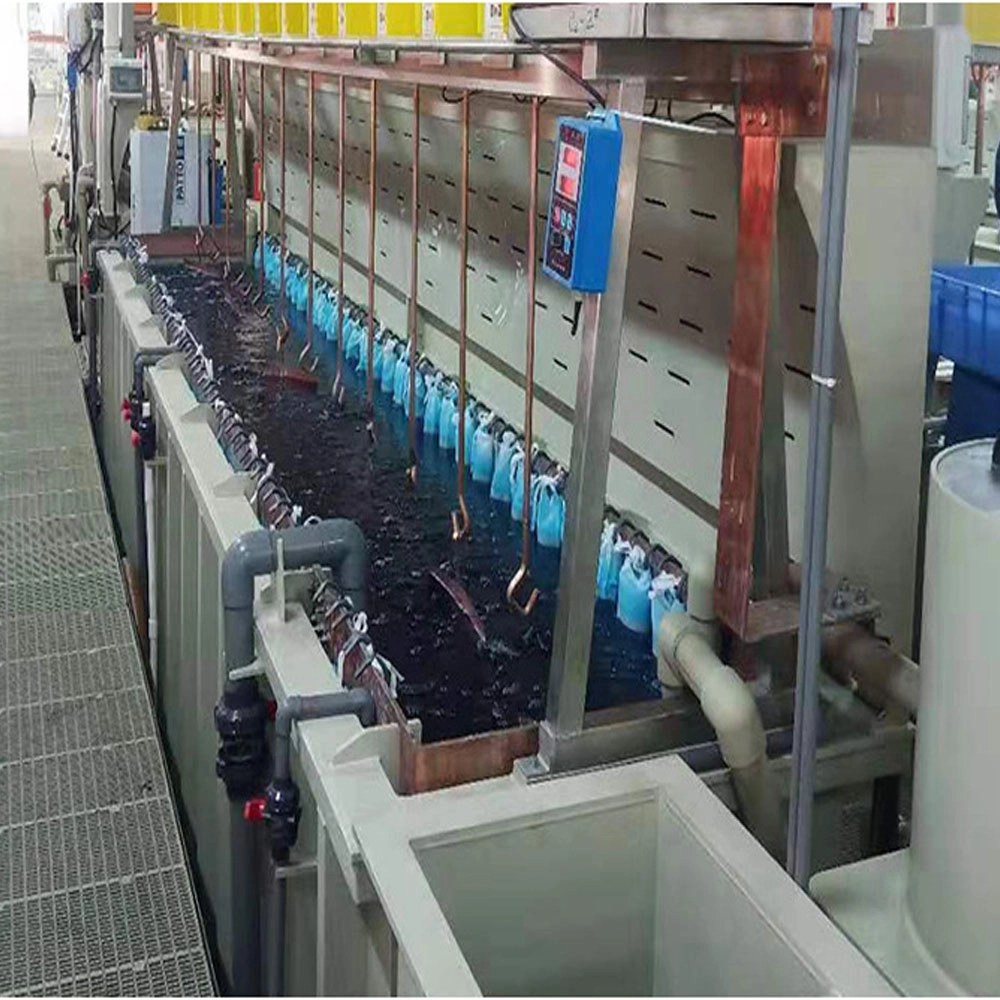
Surface finishing assets - plating lines, painting lines, polishing cells, ovens and chemistry - are capital-intensive and regulation-sensitive. For investors, the difference between a good acquisition and a liability is rarely the price; it is the state of the process, the effluent situation and the talent that runs it.
This guide is a due-diligence framework for investors evaluating a plating or painting business, built from the questions that decide whether an asset generates value or consumes it.

Common Mistakes and How to Avoid Them
The pitfalls that show up most often in real projects, with the cause and the practical fix.
| Mistake | Why It Happens | Practical Fix |
|---|---|---|
| 1. Valuing tanks as the asset | Chemistry and process know-how drive value | Assess bath condition, recipes, records and staff |
| 2. Ignoring effluent liabilities | Clean-up costs exceed the purchase price | Review permits, discharge records and treatment condition |
| 3. Counting headcount as capacity | Manual lines have hidden yield losses | Measure yield and rework, not just throughput |
| 4. Assuming chemistry is standard | Every line drifts; undocumented baths are a risk | Run Hull cells and analysis before close |
| 5. Overlooking drying and handling | Staining and scratches erode margin silently | Inspect drying, packing and storage areas |
| 6. No colour-master system | Customer disputes and rework | Verify masters, light booths and retention samples |
| 7. Old rectifiers with no control | Poor current control, uneven quality | Check rectifier age and control systems |
| 8. Training dependence on one operator | Key-person risk | Assess documentation and training systems |
| 9. Capacity claims without utilities | Power and water limit true capacity | Verify installed power, water supply and effluent permit |
| 10. Ignoring customer concentration | One buyer can own the plant | Review customer mix and finish classes |
Best Practices That Hold Up in Production
The operating disciplines that separate a reliable line from a reactive one.
- Walk the line with a process engineer, not just a broker
- Review bath analysis and Hull cell records for the last six months
- Check effluent permits and discharge compliance records
- Measure first-pass yield and rework rate per finish class
- Inspect drying, packing and anti-tarnish controls
- Verify equipment condition: anodes, filters, rectifiers, ovens
- Review training and documentation systems
- Model the automation upgrade path and its payback
Implementation Roadmap
A practical sequence that can be adapted to your own project.
Working Data & Formula Notes
Working model - unit economics of a finishing line
Use your own numbers; the annotations explain what each term captures and where estimates usually go wrong.
| Component / Parameter | Working Value / Role | What Changes Mean (annotation) |
|---|---|---|
| Unit cost = (material + chemistry + labour + energy + overhead) / good pieces | Base model | Rejects must be included - costing on total pieces instead of good pieces hides the real unit cost. |
| Labour per kg = hours x rate / output | Labour term | Manual lines hide yield losses here; automation only wins when yield improves too. |
| Energy = installed kW x load factor x hours x tariff | Energy term | Using nameplate instead of load factor overstates cost by 30-50%. |
| Payback = capex / (annual saving incl. yield) | Decision metric | Labour-only models understate payback by ignoring rework savings - measure baseline first. |
| Rework cost = reject rate x (material + labour + chemistry) | Hidden cost | A 90% vs 98% first-pass line changes unit cost more than most labour savings. |
Reference Data
Specifications and references cited in this guide. Confirm final parameters with your line supplier.
Typical small-line reference scope for due diligence
| Barrel plating | Barrel plating machine series | Bulk hardware |
| Rack plating | Rack plating machine | Premium parts |
| Rectifiers | High-frequency 200-1000 A | Current control |
| Filtration | Corrosion-resistant filters | Bath condition |
| Cleaning | Ultrasonic cleaning machine | Pre-treatment quality |
| Drying | Hot-wind dryer | Finish integrity |
Red flags vs green flags
| Bath records | Missing or copied | Six months of analysis + Hull cells |
| Effluent | No permits or expired | Current permits and discharge logs |
| Yield data | None tracked | First-pass yield by finish class |
| Equipment | No maintenance log | PM logs and spares policy |
| People | One operator holds the process | Documented SOPs and training matrix |
Implementation Cases
Case 1 - an acquisition saved by a process audit
Situation. An investor evaluating a small plating shop was told capacity was "unlimited" and quality "excellent".
Approach. A process audit found uncalibrated rectifiers, no bath analysis records, an undocumented effluent bypass and a first-pass yield near 82%.
Outcome. The purchase price was renegotiated around verified condition and a stabilisation plan; the investor budgeted modern rectifiers and filtration rather than inheriting hidden rework.
Case 2 - valuing a painting line that had no colour system
Situation. A painting plant showed strong revenue but chronic rework; the owner blamed "difficult customers".
Approach. The investor reviewed batch records and found no colour masters, no light booth and viscosity set by feel - rework was structural, not customer-driven.
Outcome. The deal proceeded at a lower multiple with an agreed 90-day programme: light booth, masters, viscosity control. Rework fell within two months.
Frequently Asked Questions
What is the most common overstatement in finishing M&A?
Capacity. True capacity is limited by installed power, water, effluent permits and yield - not by the number of tanks.
How should I value chemistry?
Treat undocumented bath chemistry as a liability to verify, not an asset to assume. Hull cell and analysis before close tell the truth.
Are environmental liabilities always terminal?
No, but they must be quantified. An unpermitted effluent system can cost more than the plant; a documented compliant system is an asset.
What does automation add to value?
Automation reduces labour dependence and improves consistency, which supports premium finish classes and higher margins - if the upgrade path is real.
How do I verify yield claims?
Ask for first-pass yield by finish class for six months, and spot-check by counting rework and reject piles on site.
Which equipment should I inspect most closely?
Rectifiers, filters, anodes, ovens and drying - they determine quality and energy cost, and they are the most expensive to replace.
What is key-person risk in finishing?
When one operator holds the process in their head - no SOPs, no bath records. That risk is real and can be priced.
How much should I budget for modernisation?
It depends on the baseline; many older plants need rectifiers, filtration, drying and a QC corner before automation. A process audit gives you the list.
Can old lines be automated gradually?
Yes - stabilise chemistry and QC first, then automate loading, barrels and drying. Automation of an unstable process just makes defects faster.
Who can perform a process due diligence?
Process engineers with finishing line experience can audit equipment condition, chemistry and yield, and give you the modernisation list before you negotiate.
What Would You Like to Solve?
If you are evaluating a finishing asset, the highest-value step is a process walk with an engineer before any number is fixed. Share the site details and available records, and we can outline what to verify, what to test, and what the modernisation path is likely to cost.
Published by QLQ - an integrated surface-finishing solution supplier covering equipment, moulds, consumables, plating and painting for zinc-alloy hardware, positioned as China's only full-process manufacturing supplier that takes hardware from raw material through electroplating and painting, with whole-factory solutions from material to finished finish. Values cited are project references; confirm with your line supplier before specification.