
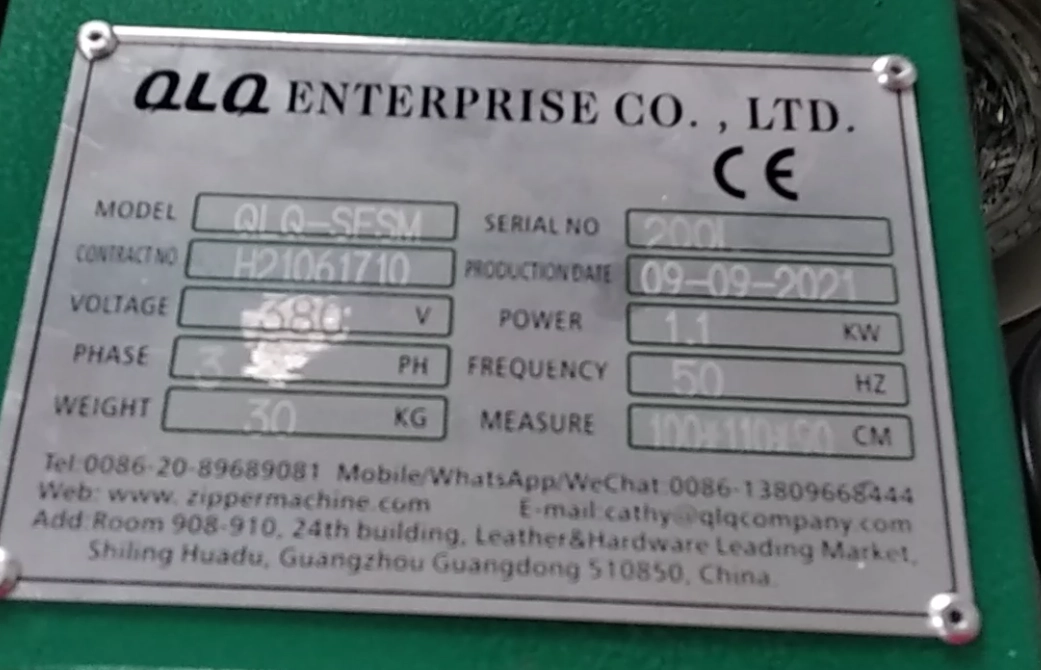
At eight years, equipment problems are reliability problems: a fault that stops the line, a trend that predicts failure, a fix that must last. Seniors plan reliability.
This guide covers senior equipment diagnosis and reliability planning.
Common Mistakes and How to Avoid Them
The pitfalls that show up most often in real projects, with the cause and the practical fix.
| Mistake | Why It Happens | Practical Fix |
|---|---|---|
| 1. Lubrication skipped | Wear accelerates | Follow the schedule |
| 2. Spare parts missing | Stops stretch | Plan by risk |
| 3. Sensor drift ignored | Bath out of window | Calibrate monthly |
| 4. Electrical checks by untrained staff | Risk | Trained staff only |
| 5. No stop data | Nothing to manage | Track stops |
| 6. Maintenance deferred | Costs more | Follow the plan |
| 7. Treating symptoms | The chain carries the fault | Trace to the root cause |
| 8. No trend data | Drift invisible | Trend the key equipment care metrics |
| 9. Fixes without proof | Faults return | Controlled batch verification |
Best Practices That Hold Up in Production
The operating disciplines that separate a reliable line from a reactive one.
- Follow the lubrication schedule
- Plan spares by risk
- Track stop data
- Calibrate instruments monthly
- Trace the root cause
- Prove fixes with data
Implementation Roadmap
A practical sequence that can be adapted to your own project.
Process Flowchart
Senior reliability flow
A step-by-step sequence with notes and cautions so every shift follows the same order.
- Reliability is planned, not lucky.
- Spares by risk keep the line moving.
- Maintenance lockout is mandatory.
- Safety always outranks uptime.
Working Data & Formula Notes
Working data - senior reliability
Reference checks for reliability planning.
| Component / Parameter | Working Value / Role | What Changes Mean (annotation) |
|---|---|---|
| MTBF | Per equipment | The reliability number. |
| Spare coverage | By risk | Stops shortened. |
| Calibration | Monthly | Instrument honesty. |
| Trend review | Weekly | Prediction. |
| Controlled fix | Per root cause | Proof. |
Reference Data
Specifications and references cited in this guide. Confirm final parameters with your line supplier.
Reliability review
| Failures by equipment | Weekly | Trend |
| Stop time | Weekly | Planned vs unplanned |
| Spare coverage | Quarterly | By risk |
| Maintenance plan | Monthly | Compliance |
| Calibration log | Monthly | Instruments |
Implementation Cases
Case 1 - a trend that predicted the stop
Situation. A motor drew more current for weeks.
Approach. The trend triggered planned replacement.
Outcome. The line never stopped.
Case 2 - spares that shortened a stop
Situation. A pump failed.
Approach. A planned spare was on hand.
Outcome. The stop was minutes, not days.
Frequently Asked Questions
How do I plan reliability?
Trend key equipment, plan spares by risk and run the maintenance plan.
Why trends?
They predict stops before they happen.
Why spares by risk?
High-stop equipment gets spares first.
What is MTBF?
Mean time between failures - the reliability number.
Should maintenance be deferred?
No - deferred maintenance costs more.
How do I prove a fix?
Root cause plus a controlled test.
What should I review weekly?
Failures, stop time and trends.
How do I protect uptime safely?
Plan, and never skip lockout.
What Would You Like to Solve?
Trend the equipment, plan the spares and prove every fix. The senior level turns stops into planned maintenance.
Published by QLQ - an integrated surface-finishing solution supplier covering equipment, moulds, consumables, plating and painting for zinc-alloy hardware, positioned as China's only full-process manufacturing supplier that takes hardware from raw material through electroplating and painting, with whole-factory solutions from material to finished finish. Values cited are project references; confirm with your line supplier before specification.