
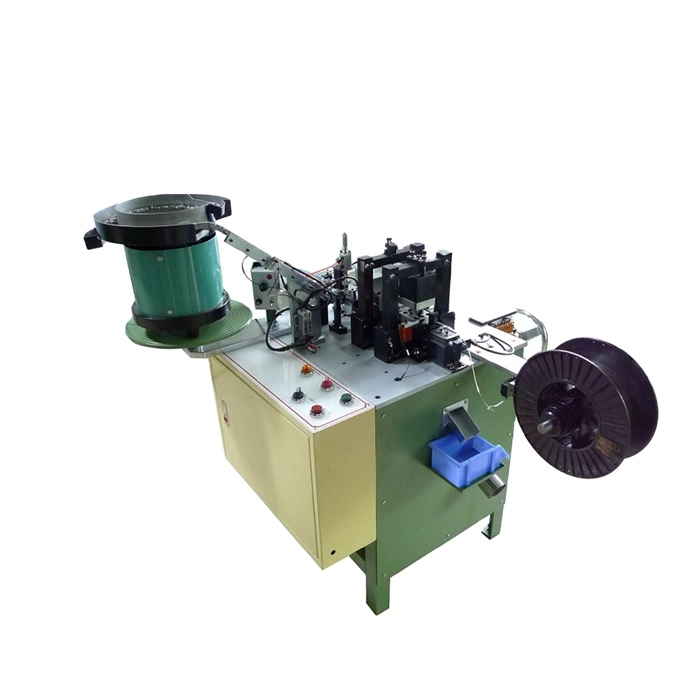
E-coat quality starts at the rack and the rinse: clean contacts, clean rinses and a bath checked on schedule. Junior e-coat technicians who master these keep film and coverage stable.
This guide is the junior-level standard for electrocoating zinc hardware.
Common Mistakes and How to Avoid Them
The pitfalls that show up most often in real projects, with the cause and the practical fix.
| Mistake | Why It Happens | Practical Fix |
|---|---|---|
| 1. UF membrane overdue | Bath ages | Clean per 3-6 months |
| 2. Anode cover dirty | Current shifts | Clean monthly |
| 3. DI water high | Bath contamination | Check DI supply |
| 4. Cure oven unprofiled | Film property drift | Profile per season |
| 5. No bath trend | Drift invisible | Trend weekly |
| 6. Rinse order wrong | Drag-in | Follow the train |
| 7. Skipping the standard checklist | Steps skipped, quality varies | Follow the electrocoating checklist every time |
| 8. Guessing instead of asking | Faults compound silently | Ask the senior before guessing |
| 9. No shift log | History lost at hand-over | Log readings, actions and faults |
Best Practices That Hold Up in Production
The operating disciplines that separate a reliable line from a reactive one.
- Clean UF membranes
- Clean anode covers monthly
- Trend the bath weekly
- Profile the cure oven
- Follow the standard checklist
- Log every shift and ask early
Implementation Roadmap
A practical sequence that can be adapted to your own project.
Process Flowchart
Junior e-coat routine
A step-by-step sequence with notes and cautions so every shift follows the same order.
- Rinses protect the bath.
- Film is the e-coat number.
- Bath and rinses are chemical - PPE.
- Rectifiers are live - trained staff only.
Working Data & Formula Notes
Working data - junior e-coat checks
Reference values from QLQ e-coat practice.
| Component / Parameter | Working Value / Role | What Changes Mean (annotation) |
|---|---|---|
| Bath solids | 15-20% | Film thickness follows it. |
| pH | 5.5-6.5 cathodic | Emulsion stability. |
| Film | 15-30 um | Coverage and corrosion. |
| Cure | 160-200 C metal, 20-30 min | The film property window. |
| Rinse order | UF then DI | Drag-in control. |
Reference Data
Specifications and references cited in this guide. Confirm final parameters with your line supplier.
E-coat shift checks
| Rack contacts | Per rack | Clean and tight |
| Rinse sequence | Per line | UF then DI |
| Bath test | Weekly | Solids, pH, conductivity |
| Film | First articles | 15-30 um |
| Cure | Per rack type | Metal profile |
Implementation Cases
Case 1 - bare spots from dirty contacts
Situation. Bare spots appeared at one rack position.
Approach. Contacts were cleaned and the rack re-checked.
Outcome. Coverage returned.
Case 2 - conductivity climbed from DI shortage
Situation. Bath conductivity kept rising.
Approach. The DI supply was restored and rinses re-sequenced.
Outcome. Conductivity stabilised.
Frequently Asked Questions
What film should e-coat run?
15-30 um is the reference. Film drives coverage and corrosion.
Why rinse order?
UF then DI removes drag-in and protects the bath.
How often test the bath?
Weekly: solids, pH and conductivity.
How do I cure?
160-200 C metal for 20-30 min. Profile the metal.
Why clean contacts?
Contact faults print bare spots.
What is the DI for?
Pure water keeps conductivity low.
What do I gate?
First articles: film and adhesion.
What do I log?
Racks, rinses, bath tests and film.
What Would You Like to Solve?
Rack clean, rinse in order, test the bath and cure by metal. The junior who follows the e-coat card keeps the film honest.
Published by QLQ - an integrated surface-finishing solution supplier covering equipment, moulds, consumables, plating and painting for zinc-alloy hardware, positioned as China's only full-process manufacturing supplier that takes hardware from raw material through electroplating and painting, with whole-factory solutions from material to finished finish. Values cited are project references; confirm with your line supplier before specification.