
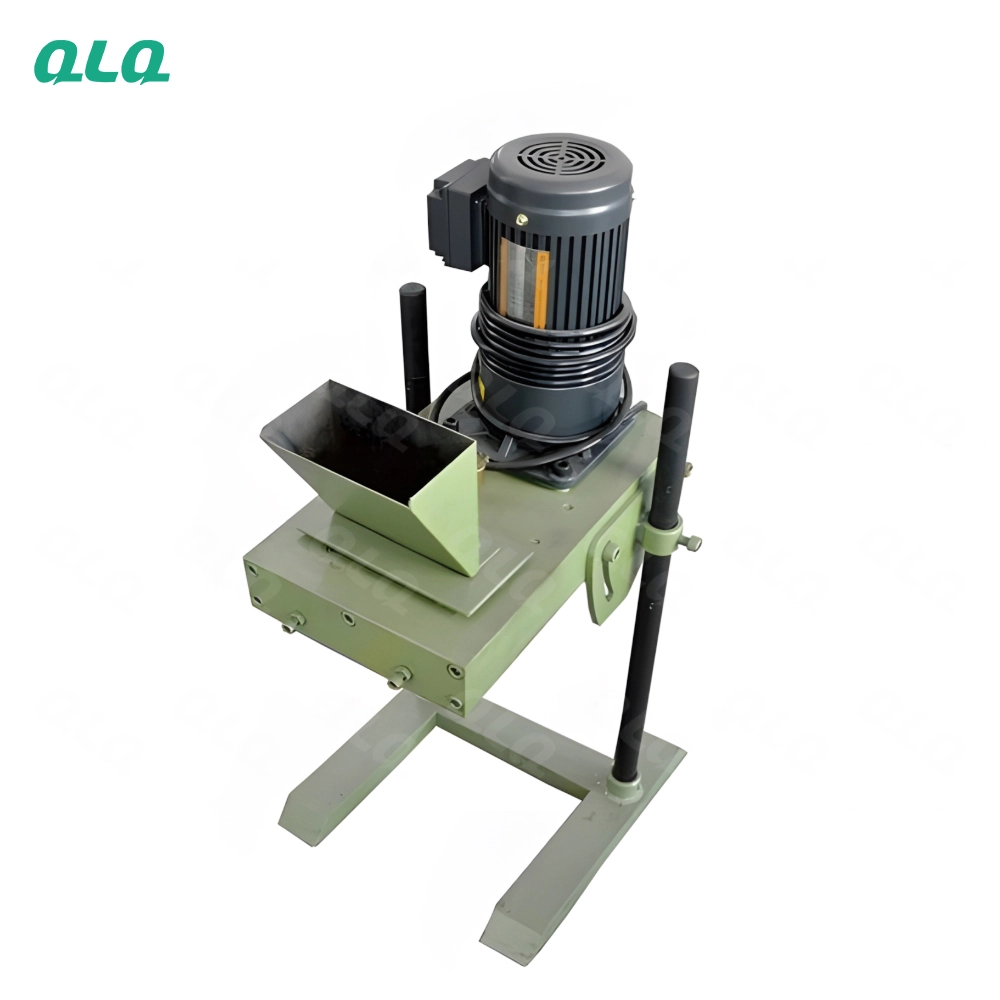
Cold painting is hand work: the gun is only as good as the wrist holding it. A steady trigger, even passes and a relaxed wrist decide whether the film is even or blotchy.
This junior guide covers cold spray gun handling for zinc hardware: trigger technique, pass rhythm, distance and the wrist habits that make even film.
Common Mistakes and How to Avoid Them
The pitfalls that show up most often in real projects, with the cause and the practical fix.
| Mistake | Why It Happens | Practical Fix |
|---|---|---|
| 1. Trigger pulled before moving | Heavy start spots | Move before trigger |
| 2. Wrist bent | Fan angle changes | Keep the wrist straight |
| 3. Passes uneven | Streaks | 50% overlap rhythm |
| 4. Distance varies | Film varies | Mark the distance |
| 5. Rushing the pass | Dry spray | Steady speed |
| 6. Fan pattern unchecked | Distorted coverage | Check before each part |
| 7. No first-part check | Batch repeats | Check before the batch |
| 8. Arm fatigue ignored | Late-shift drift | Rotate and rest |
Best Practices That Hold Up in Production
The operating disciplines that separate a reliable line from a reactive one.
- Start the movement before the trigger
- Keep the wrist straight and relaxed
- Use a steady 50% overlap rhythm
- Mark the gun distance in the booth
- Check the first part before the batch
Implementation Roadmap
A practical sequence that can be adapted to your own project.
Process Flowchart
Gun handling flow
A step-by-step sequence with notes and cautions so every shift follows the same order.
- A straight wrist keeps the fan angle constant.
- Rest breaks protect late-shift consistency.
- Never point the gun at people.
- Solvent vapour needs extraction.
Working Data & Formula Notes
Gun handling data
Reference values for cold spray technique.
| Component / Parameter | Working Value / Role | What Changes Mean (annotation) |
|---|---|---|
| Distance | 15-25 cm typical | Close runs, far dries |
| Overlap | 50% | Even film, no streaks |
| Trigger | Start after moving | Heavy start spots |
| First part | Check before batch | Cheap check |
Reference Data
Specifications and references cited in this guide. Confirm final parameters with your line supplier.
Pass check card
| Check | Target | Action |
| Wrist | Straight | Relax, re-grip |
| Distance | Marked | Return to mark |
| Overlap | 50% | Steady rhythm |
| Film | Even, no runs | Adjust one variable |
Implementation Cases
Case 1 - heavy spots from a still trigger
Situation. Parts started with heavy paint spots; the operator pulled the trigger before moving the gun.
Approach. The move-before-trigger rule was trained and posted, and the first part was checked each batch.
Outcome. Heavy spots stopped; the first-part check caught any return.
Case 2 - late-shift streaks from fatigue
Situation. Streaks appeared in the last hour of shifts; tired arms changed the fan angle mid-pass.
Approach. Wrist and posture training was added, and short rotation breaks were scheduled.
Outcome. Late-shift streaks stopped; the rotation rule protected consistency.
Frequently Asked Questions
Why move before the trigger?
A still gun dumps paint in one spot; starting the movement spreads the pass.
What is the right distance?
15-25 cm typical, marked in the booth; distance changes film directly.
Why 50% overlap?
It avoids thin bands between passes and keeps the film even.
Why keep the wrist straight?
A bent wrist tilts the fan and changes coverage mid-pass.
Why check the fan pattern?
A distorted pattern makes even technique produce uneven film.
How do I prevent dry spray?
Steady pass speed and correct distance; rushing atomizes paint dry.
Why check the first part?
It is the cheapest place to catch technique errors before the batch.
Why rest breaks?
Fatigue changes the wrist and the rhythm; rested operators paint evenly.
What do I log?
Pressure, distance, pattern check and the first-part result.
What Would You Like to Solve?
Tell us your gun type, paint and part geometry. We can help set the technique standards and the first-part check for your cold painting station.
Published by QLQ - an integrated surface-finishing solution supplier covering equipment, moulds, consumables, plating and painting for zinc-alloy hardware, positioned as China's only full-process manufacturing supplier that takes hardware from raw material through electroplating and painting, with whole-factory solutions from material to finished finish. Values cited are project references; confirm with your line supplier before specification.