
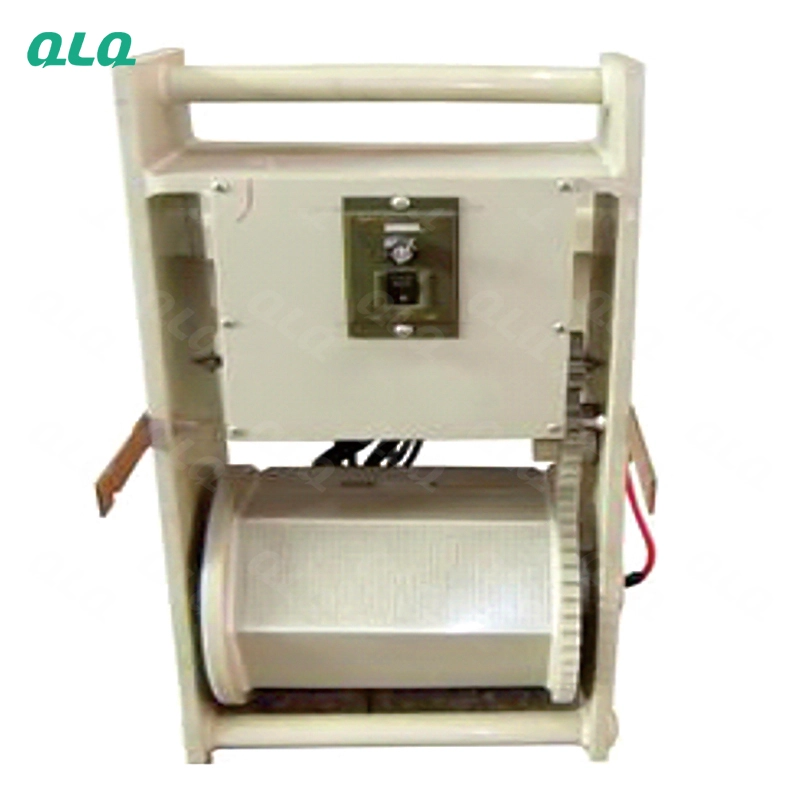
At eight years, barrel problems are the ones that cross boundaries: a bath that drifts with the season, contact faults inside the barrel, defects that start at casting and finish in nickel. Seniors diagnose the chain, not the tank.
This guide covers senior barrel diagnosis: drift tracing, contact and barrel maintenance, and cross-process failure separation.
Common Mistakes and How to Avoid Them
The pitfalls that show up most often in real projects, with the cause and the practical fix.
| Mistake | Why It Happens | Practical Fix |
|---|---|---|
| 1. Barrel speed fixed | Tumbling marks | Set per product |
| 2. Hangers unmaintained | Current loss | Clean per schedule |
| 3. No surface-area record | Current drifts | Log per load |
| 4. Anode bags overdue | Sludge roughens | Inspect weekly |
| 5. Unload splashing | Stains and damage | Handle carefully |
| 6. No first-article gate | Errors repeat | Gate every load |
| 7. Treating symptoms | The chain carries the fault | Trace to the root cause |
| 8. No trend data | Drift invisible | Trend the key barrel plating metrics |
| 9. Fixes without proof | Faults return | Controlled batch verification |
Best Practices That Hold Up in Production
The operating disciplines that separate a reliable line from a reactive one.
- Maintain hangers
- Log surface area per load
- Inspect anode bags weekly
- Gate every load
- Trace the root cause
- Prove fixes with data
Implementation Roadmap
A practical sequence that can be adapted to your own project.
Process Flowchart
Senior barrel diagnosis flow
A step-by-step sequence with notes and cautions so every shift follows the same order.
- Ah history is the barrel line memory.
- Bake tests separate casting from plating faults.
- Barrel maintenance needs lockout.
- Chemical tracing needs lab safety.
Working Data & Formula Notes
Working data - senior barrel checks
Reference checks for cross-process barrel failures.
| Component / Parameter | Working Value / Role | What Changes Mean (annotation) |
|---|---|---|
| Ah history | Per batch | Makes drift visible and dosing honest. |
| Barrel tip inspection | Weekly | Dressed tips prevent contact burns. |
| Bake test | 120 C, 1 h | Separates casting porosity from bath faults. |
| Seasonal review | Quarterly | Water and temperature drift with seasons. |
| Anode bags | Weekly | Sludge roughens deposits. |
Reference Data
Specifications and references cited in this guide. Confirm final parameters with your line supplier.
Signature to source
| Seasonal haze | Water or temperature | Quarterly review |
| Burns at one barrel position | Tip contact | Dress tips |
| Rough deposits | Anode sludge | Bags and filtration |
| Blisters on one family | Casting porosity | Bake test |
| Drift after load change | Ah dosing lag | Dose by meter |
Implementation Cases
Case 1 - seasonal haze that returned every summer
Situation. A barrel line went hazy every summer despite constant chemistry.
Approach. A senior linked the trend to summer water hardness and higher bath temperature, and adjusted the window.
Outcome. Summer haze stopped, and the seasonal review became standard.
Case 2 - contact burns traced to barrel tips
Situation. Burns appeared at one position in the barrel, blamed on current.
Approach. Tip inspection found worn contacts. Tips were dressed and a weekly check added.
Outcome. Positional burns stopped.
Frequently Asked Questions
How do I trace barrel drift?
Start with the Ah and dosing history, then analysis, then the season. The tank is the last suspect, not the first.
Why do burns sit at one barrel position?
Usually a tip or hanger contact fault. Inspect and dress tips on schedule.
How do I separate casting from plating?
Run the 120 C bake test. Porosity blisters before plating faults show.
Why does my line drift seasonally?
Water hardness and temperature change with the season. Review trends quarterly and adjust windows.
Why do rough deposits come back?
Anode sludge or filtration. Check anode bags weekly and the filter pressure daily.
What is a controlled batch?
One change, one batch, linked data. It proves the fix.
Should I change several variables?
No. One change at a time keeps the cause visible.
What data should I keep?
Ah, dosing, analysis, defects and seasonal notes. That history is the diagnosis tool.
What Would You Like to Solve?
Collect the history, trace the path, and prove every fix with a controlled batch. The senior level diagnoses the chain, not the tank.
Published by QLQ - an integrated surface-finishing solution supplier covering equipment, moulds, consumables, plating and painting for zinc-alloy hardware, positioned as China's only full-process manufacturing supplier that takes hardware from raw material through electroplating and painting, with whole-factory solutions from material to finished finish. Values cited are project references; confirm with your line supplier before specification.