
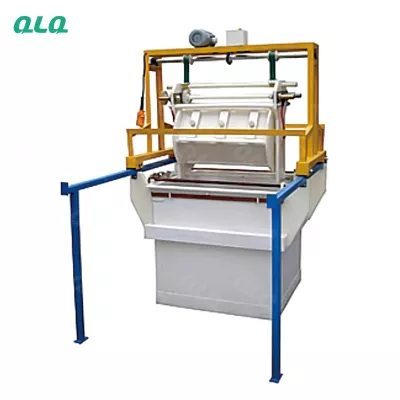
Barrel plating looks like a drum full of parts, but every reject starts with the numbers a junior controls: load volume, current ramp, rotation and the ampere-hour dosing that keeps the bath alive. Get the load and the ramp right and the bath has a chance.
This guide is the junior-level standard for barrel plating zinc-alloy hardware: loading rules, current ramping, rotation and the shift checks that protect the bath.
Common Mistakes and How to Avoid Them
The pitfalls that show up most often in real projects, with the cause and the practical fix.
| Mistake | Why It Happens | Practical Fix |
|---|---|---|
| 1. Barrel speed fixed | Tumbling marks | Set per product |
| 2. Hangers unmaintained | Current loss | Clean per schedule |
| 3. No surface-area record | Current drifts | Log per load |
| 4. Anode bags overdue | Sludge roughens | Inspect weekly |
| 5. Unload splashing | Stains and damage | Handle carefully |
| 6. No first-article gate | Errors repeat | Gate every load |
| 7. Skipping the standard checklist | Steps skipped, quality varies | Follow the barrel plating checklist every time |
| 8. Guessing instead of asking | Faults compound silently | Ask the senior before guessing |
| 9. No shift log | History lost at hand-over | Log readings, actions and faults |
Best Practices That Hold Up in Production
The operating disciplines that separate a reliable line from a reactive one.
- Maintain hangers
- Log surface area per load
- Inspect anode bags weekly
- Gate every load
- Follow the standard checklist
- Log every shift and ask early
Implementation Roadmap
A practical sequence that can be adapted to your own project.
Process Flowchart
Junior barrel plating routine
A step-by-step sequence with notes and cautions so every shift follows the same order.
- Load surface area drives current, not barrel volume.
- Ah dosing follows the meter, not the clock.
- Barrel lines move - keep clear of rotating drums.
- Chemical additions follow MSDS rules.
Working Data & Formula Notes
Working data - junior barrel controls
Reference values from QLQ plating practice.
| Component / Parameter | Working Value / Role | What Changes Mean (annotation) |
|---|---|---|
| Barrel load | 40-60% of volume | Overload burns the mouth; underload wastes capacity. |
| Current ramp | 10-15 s | Protects the first parts from burn. |
| Current density | From loaded surface area | The honest basis for rectifier setting. |
| Ah dosing | Per meter | Keeps brightener in balance with the load. |
| Hull cell | Every shift | The bath state check. |
Reference Data
Specifications and references cited in this guide. Confirm final parameters with your line supplier.
Junior shift checks
| Water-break | Per load | Before loading |
| Barrel load | Per load | 40-60% volume |
| Current ramp | Per cycle | 10-15 s |
| Hull cell | Per shift | Bath state |
| Ah log | Per shift | Dosing basis |
Implementation Cases
Case 1 - burns at the barrel mouth
Situation. A junior line rejected burned parts at the barrel mouth every morning.
Approach. Loads were over 70% and current was applied instantly. Load was cut to the window and a 10-15 s ramp added.
Outcome. Burns stopped, and the load rule became standard.
Case 2 - haze that followed calendar dosing
Situation. Bright nickel went hazy mid-week despite scheduled additions.
Approach. The junior switched to ampere-hour dosing and confirmed with a Hull cell.
Outcome. Haze cleared, and dosing followed the meter from then on.
Frequently Asked Questions
How full should a barrel be?
40-60% of barrel volume. Overloads burn at the mouth and under-fill recesses.
Why ramp the current?
Full current at start burns the first parts. Ramp over 10-15 s to working density.
How do I set current?
From loaded surface area and target current density, not barrel volume.
Why dose by ampere-hours?
Ah measures the charge actually passed, so additions follow the load instead of the calendar.
What is a Hull cell for?
It shows brightener balance and contamination before the bath fails in production.
Why do parts stick in the barrel?
Usually rotation speed, load or geometry. Check rotation and load per the card.
Should I check pre-treatment?
Yes - water-break before loading. Oily parts burn and blister in the barrel.
What do I log?
Load, ampere-hours, additions and Hull cell result. The log is the bath history.
What Would You Like to Solve?
Load right, ramp right, dose by Ah and check the bath every shift. The junior who owns these four numbers runs a barrel line that stays out of trouble.
Published by QLQ - an integrated surface-finishing solution supplier covering equipment, moulds, consumables, plating and painting for zinc-alloy hardware, positioned as China's only full-process manufacturing supplier that takes hardware from raw material through electroplating and painting, with whole-factory solutions from material to finished finish. Values cited are project references; confirm with your line supplier before specification.