

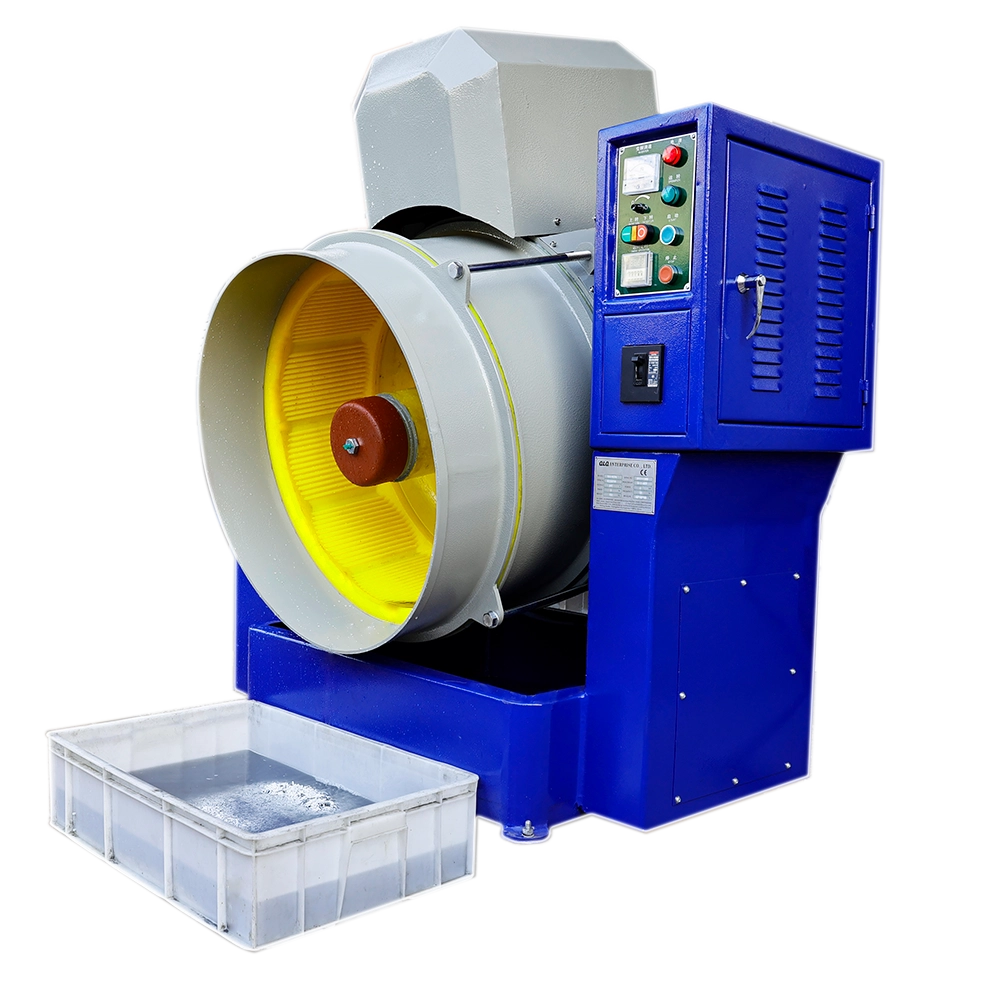
Three batches in two months were rejected for color mismatch, and every dispute ended in argument because no one had kept a sample from the rejected batch. The fix was governance, not paint: a retention sample and a spectrophotometer reading for every batch.
This management guide covers the system that ended the disputes: retention samples held for 12 months, color tolerance at delta E of 1.5-2.0, first-article approval per batch and first-pass yield tracked per week.
Common Mistakes and How to Avoid Them
| Mistake | Why It Happens | Practical Fix |
|---|---|---|
| 1. No retention sample | Disputes become arguments | Retain a sealed sample per batch |
| 2. Color judged by eye | Tolerance drifts per person | Measure with a spectrophotometer |
| 3. Tolerance too tight | Rejects without cause | Set ΔE 1.5-2.0 per customer |
| 4. No first-article gate | Bad batches run to the end | Approve the first article per batch |
| 5. Shifts mix paint batches | Color jumps mid-day | One paint batch per production batch |
| 6. Yield not tracked | Problems hide in rework | First-pass per week per line |
| 7. Batch card incomplete | Causes unprovable | Full process record per batch |
| 8. Retention samples lost | Field claims undefended | Locked storage, named owner |
| 9. No review meeting | Gains fade | Weekly yield and dispute review |
Best Practices
- Retain a sealed sample from every batch for 12 months
- Measure color with a spectrophotometer at ΔE 1.5-2.0
- Gate every batch with a first-article approval
- Track first-pass yield per line per week
- Keep one paint batch per production batch
- Review disputes and yield in a weekly meeting
Implementation Roadmap
| Step | Frequency |
|---|---|
| Retention sample | Every batch |
| Color measurement | Every batch |
| First-article approval | Every batch start |
| Yield review | Weekly |
| Dispute and standard review | Monthly |
Batch governance flow
- Approve - First article, color and film per batch. (No gate lets bad batches run.)
- Run - One paint batch, full batch card. (Mixed paint jumps the color.)
- Measure and retain - ΔE per batch, sealed sample. (Eye judgment drifts between people.)
- Review - Weekly yield, monthly standards. (No review, disputes return.)
A retained sample is the shared reference when a dispute opens. | Yield review finds the batch problem before the customer does.
Batch governance data
Reference values for tumble painting batch control.
| Parameter | Reference | Why It Matters |
|---|---|---|
| Retention sample | Sealed, 12 months per batch | The shared reference in disputes |
| Color tolerance | ΔE 1.5-2.0 per customer | Eye judgment is not a tolerance |
| First-article gate | Per batch start | Catches drift before the run |
| Paint batch | One per production batch | Mixed paint jumps the color |
| Yield | First-pass per week | Rework hides the trend |
| Batch card | Full process record | Causes become provable |
| Review | Weekly disputes, monthly standards | Held standards hold quality |
Retention sample register
| Batch | Sample location | Color reading | Disposition |
|---|---|---|---|
| Date and number | Sealed, locked store | ΔE value | Release or hold |
| Date and number | Sealed, locked store | ΔE value | Release or hold |
| Date and number | Sealed, locked store | ΔE value | Release or hold |
Color dispute resolution flow
| Step | Action | Owner |
|---|---|---|
| 1 | Open dispute with sample | Quality manager |
| 2 | Measure both samples | Lab |
| 3 | Compare to ΔE limit | Quality manager |
| 4 | Decide and record | Plant manager |
| 5 | Close with batch card | Quality manager |
Case 1 - three rejected batches with no sample to check
Scenario. A customer rejected three tumble painted batches for color mismatch in two months; each dispute stalled because the rejected batch had already been shipped and no sample remained.
Action. A retention sample from every batch was sealed and stored for 12 months, spectrophotometer readings at ΔE 1.5 replaced eye judgment, and a first-article gate was added per batch.
Result. Disputes stopped within one quarter, color rejects fell 70 percent and the last claim was closed in three days using the retained sample.
Case 2 - two plants, two visible colors
Scenario. Two plants in different regions produced the same painted part with a visible color difference that customers complained about at every joint delivery.
Action. Both plants adopted the same standard panel, shared digital color data and harmonized paint batch and cure parameters on the batch card.
Result. The color difference fell inside ΔE 1.5 and joint deliveries passed without a single complaint in six months.
Frequently Asked Questions
Why keep retention samples?
A sealed sample from every batch is the shared reference when a color or quality dispute opens.
How long should samples be held?
At least 12 months, in locked storage with a named owner and a register.
What color tolerance works?
ΔE of 1.5-2.0 measured by spectrophotometer, agreed with the customer.
Why not judge color by eye?
Eye judgment drifts between people, shifts and lighting; a measured value does not.
What is a first-article gate?
Approval of the first article per batch for color, film and finish before the batch runs.
How do I track yield?
First-pass yield per line per week, with rework counted by cause.
Why one paint batch per production batch?
Mixing paint batches jumps the color and makes the batch card meaningless.
What ends a dispute fast?
The retention sample, the color reading and the batch card, reviewed in a defined order.
How do I hold the system?
A weekly yield review and a monthly standards review with the same owners.
What Would You Like to Solve?
Describe your batch record, current color checks and the dispute pattern you see; the retention and governance steps above can be installed on your line as they are.