
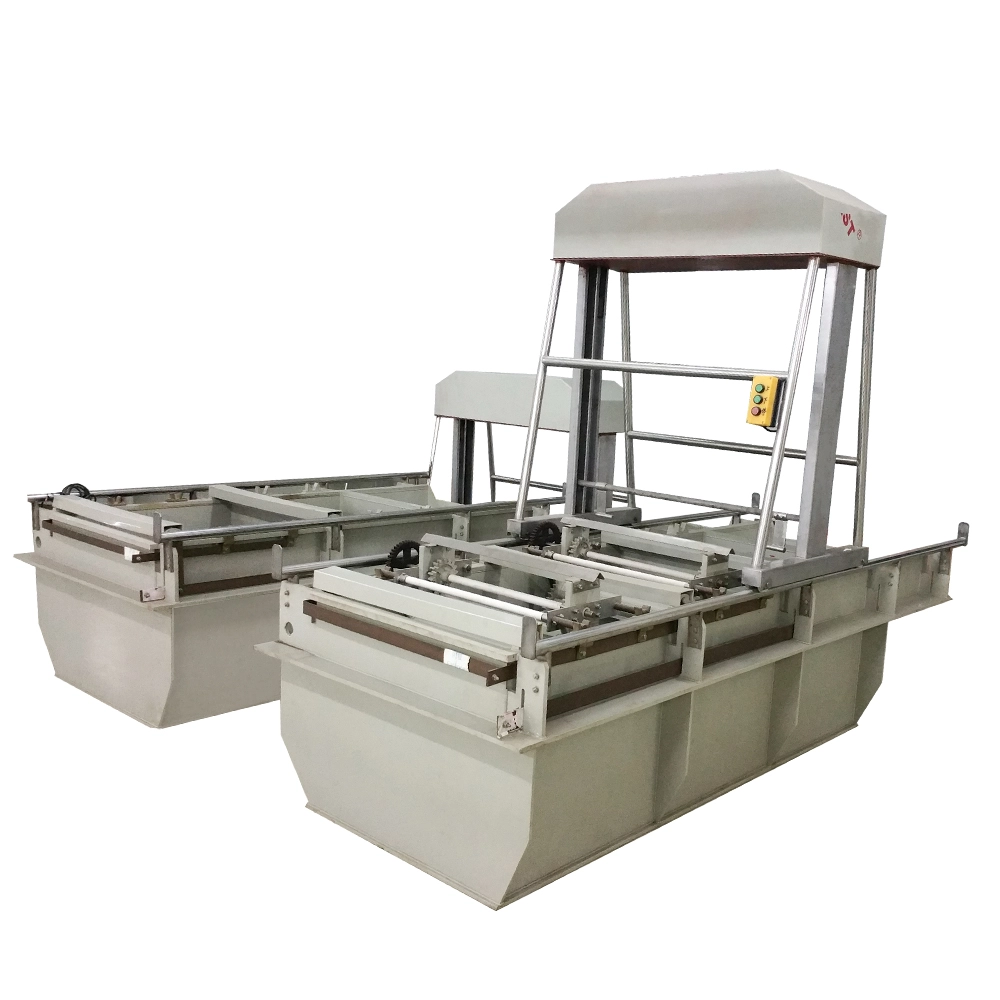
A zinc-alloy plating workshop looks simple on paper: degrease, activate, plate, rinse, dry. In practice, the difference between a line that runs at 98% first-pass yield and one that bleeds money is decided before the first tank is filled - by equipment sizing, bath chemistry, layout, effluent treatment and operator training.
This guide is written for factory owners planning a new barrel or rack plating line for zinc-alloy hardware - zipper sliders, buckles, D-rings, snaps and bag fittings. It consolidates the technical and commercial questions that come up most often in real new-plant projects, and maps them to equipment and chemistry that can be specified today.

Common Mistakes and How to Avoid Them
The pitfalls that show up most often in real projects, with the cause and the practical fix.
| Mistake | Why It Happens | Practical Fix |
|---|---|---|
| 1. Buying rectifiers without ampere-hour planning | Rectifier capacity sized by guesswork, not by surface load | Size from loaded rack/barrel surface area and target current density, then add 20-30% headroom |
| 2. Skipping filtration on day one | Particulate contamination causes roughness and pitting from the first week | Install magnetic pumps and corrosion-resistant filter chambers from start-up |
| 3. Cold cleaning chemistry on zinc | Zinc etches in aggressive alkali; cloudy pre-plate surface | Use pH 9.0-10.5 soak/electrocleaners and verify water-break before plating |
| 4. No drag-out recovery | Lost chemistry is 15-30% of chemical cost | Add drip stations and counterflow rinses before the line is poured |
| 5. Wastewater planned as an afterthought | Permits fail or effluent exceeds limits after commissioning | Include neutralisation, precipitation and filter-press steps in the capex plan |
| 6. Mixing rack and barrel work on one bath blindly | Contact marks and coverage mismatch | Keep dedicated barrels for bulk parts and rack tanks for premium pieces |
| 7. Ignoring current density per part | Burns at barrel mouth, thin recesses elsewhere | Set load 40-60% of barrel volume and ramp current over 10-15 s |
| 8. Undersized drying | Staining and retained-solution corrosion after plating | Add a hot-air centrifugal dryer sized to the hourly load |
| 9. No Hull cell discipline | Brightener drift causes haze and colour variation | Run Hull cell tests per shift and dose brighteners by ampere-hours |
| 10. No spare chemical inventory | Downtime of days for a small top-up | Keep brightener, deep-position agent and protective sealer in stock |
Best Practices That Hold Up in Production
The operating disciplines that separate a reliable line from a reactive one.
- Freeze the product mix before line design - barrel share vs rack share changes tank count and rectifier size
- Design drainage into every tank: 15-20 degree rack angles and 20-30 s dwell cut drag-out
- Verify water-break on 5 parts per load; it predicts adhesion before plating starts
- Titrate pre-treatment and record pH and temperature every 4 hours
- Filter continuously at 2-3 turnovers per hour; replace anode bags monthly
- Use ampere-hour meters to drive brightener dosing instead of operator intuition
- Keep a Hull cell and a salt-spray cabinet in the QC corner from day one
- Budget operator training into the project - chemistry control is a skill, not a setting
Implementation Roadmap
A practical sequence that can be adapted to your own project.
Working Data & Formula Notes
Working formula - cyanide-free alkaline copper bath for zinc alloy (1,000 L)
Concentrations are make-up references. Bath behaviour changes as components drift - the annotations tell you what to watch.
| Component / Parameter | Working Value / Role | What Changes Mean (annotation) |
|---|---|---|
| Copper metal (complexed) | 8-12 g/L | Low copper slows deposition and causes thin recesses; high copper risks rough deposits. Titrate weekly. |
| Complexing agent | 120-180 g/L | Keeps copper in solution and improves throwing power. If it drops, coverage in recesses fails first - the classic "blind hole bare spot". |
| pH | 9.0-10.5 | Above 10.8 zinc can etch; below 9.0 the complex becomes unstable and copper precipitates. Check every shift. |
| Temperature | 45-55 C | Below 45 C brightness drops; above 55 C decomposition of additives accelerates. Hold +/-2 C. |
| Brightener | 3-8 mL/L, dose by ampere-hours | Under-dosing gives hazy low-current areas; over-dosing gives streaks and poor rinsing. Hull cell every shift. |
| Deep-position agent | 1-3 mL/L | Improves coverage in recesses; overuse can dull high-current areas. Add only when geometry demands. |
| Purifier / carbon | As needed | Organic breakdown products cause haze and pitting; carbon-treat when Hull cell shows dull low-current ends. |
Reference Data
Specifications and references cited in this guide. Confirm final parameters with your line supplier.
Reference equipment set for a small zinc-alloy plating cell
| Barrel plating machine | Single basket / 4 baskets / test units | Small-part bulk plating |
| Rack plating machine | With swing-head option | Premium and large parts |
| Rectifier | High-frequency 200-1000 A | Controlled current density |
| Filtration | Corrosion-resistant filter + magnetic pump | Bath cleanliness |
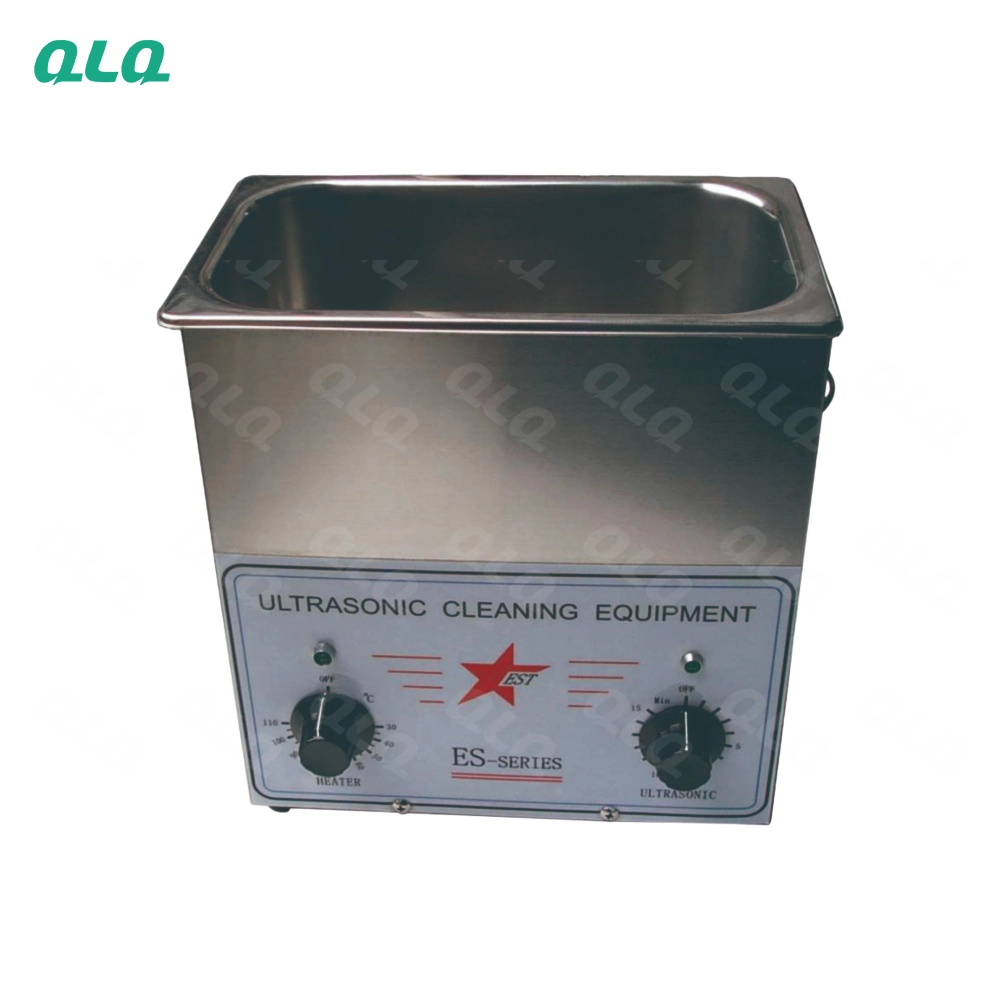
| Ultrasonic cleaning | Dedicated cleaning machine | Pre-treatment |
| Cooling | Plating cooling machine | Bath temperature stability |
| Drying | Hot-wind centrifugal dryer (35 kg) | Stain-free drying |
Chemistry control schedule that works
| Copper / nickel analysis | Weekly or per 50 kAh | Metal concentration |
| Hull cell | Every shift | Brightener balance |
| pH | Every shift | Solution stability |
| Conductivity / water | Daily | Rinse quality |
| Carbon treatment | Every 4-6 weeks or on Hull cell failure | Organic contamination |
Implementation Cases
Case 1 - a barrel line built for zipper sliders and small hardware
Situation. A client planning 45,000-55,000 sliders per day specified a compact barrel line with three rectifiers, dedicated copper and nickel baths, drag-out recovery and a hot-air dryer.
Approach. The line was laid out around an 80/20 barrel-to-rack share; rectifier sizing followed loaded surface area; Hull cell testing started at commissioning.
Outcome. The project closed with a defined capex envelope, a 10-hour daily output target, and a first-pass yield plan above 98% before colour matching began.
Case 2 - an existing job shop converting from hand-loaded tanks
Situation. A job shop plating assorted small hardware on improvised tanks wanted better consistency without rebuilding the building.
Approach. The shop standardised loads into barrels, added a dedicated ultrasonic pre-treatment station and a drying step, and introduced ampere-hour dosing for the nickel brightener.
Outcome. Batch-to-batch colour variation dropped, and the shop could take on higher-volume work without adding labour.
Frequently Asked Questions
We want to build a plating line - where do we start?
Start with the product plan: which parts, which sizes, which finish classes, and target daily output. Then the line scope - tank count, rectifier amperage, filtration, drying - follows from surface area. Most owners who skip this step either over-invest in capacity or under-size the rectifiers.
How much does a small zinc-alloy plating line cost?
For a small line with pre-treatment, Cu/Ni and colour tanks, rectifiers, filtration and a basic effluent module, the equipment reference is about USD 110k-210k excluding building and installation travel. Barrel/rack share and finish classes move the number.
What size rectifier do I need, and how many?
Small lines use 200-300 A per tank, medium lines 400-600 A, larger lines 800-1000 A+. Typically one rectifier per plating tank; a standard 6-8 tank line needs 6-8 units. Size from loaded surface area, not tank volume.
Can one line do both barrel and rack plating?
Yes, if tanks and rectifiers are sized for both, but many owners dedicate barrels to bulk parts and keep rack tanks for premium pieces to avoid contact marks. Mixing them on one bath without set-up control is a common reject source.
What chemistry should a zinc-alloy line start with?
A cyanide-free route using a complexing agent, main brightener, deep-position agent and post-plate protective sealer covers the common colour range from bright nickel to gun and antique effects. Confirm water quality first - hard water changes everything.
Do I need deionised water for rinsing?
For final rinsing, yes - deionised or purified water avoids spots and contamination. Initial rinsing and chemical make-up can often use filtered tap water depending on local hardness. Test your water before designing the rinse system.
How do I handle plating wastewater?
Standard treatment is oil separation, neutralisation, heavy-metal precipitation, flocculation, sedimentation and a filter press, with pH monitoring before discharge. Small or beginner plants often outsource plating; medium-to-large plants build treatment in-house after confirming local limits with an environmental consultant.
Why does my plating go dull or spotty?
The usual causes are poor pre-treatment (oil or oxide), contaminated bath, current density too high or too low, unstable temperature, insufficient rinsing, or poor water quality. Fix the pre-treatment first - it is the most common root cause.
How often should brighteners be replenished?
Based on ampere-hours, not on a calendar. Small daily additions from an ampere-hour meter are far more stable than weekly "catch-up" doses. Verify with a Hull cell every shift.
Can you send an engineer to help with commissioning?
Yes. Typical service is online guidance first, then on-site commissioning by 1-2 engineers for 7-15 days covering installation, testing and training. Long-term technical support can follow by discussion.
What Would You Like to Solve?
Every line is a little different, and the right answer depends on your parts, volumes, water quality and local regulations. If you tell us your product mix, target output, workshop size and power supply, we can review the line scope - equipment, rectifiers, filtration, drying and chemistry - and flag the points most likely to cause problems later.
Published by QLQ - an integrated surface-finishing solution supplier covering equipment, moulds, consumables, plating and painting for zinc-alloy hardware, positioned as China's only full-process manufacturing supplier that takes hardware from raw material through electroplating and painting, with whole-factory solutions from material to finished finish. Values cited are project references; confirm with your line supplier before specification.