
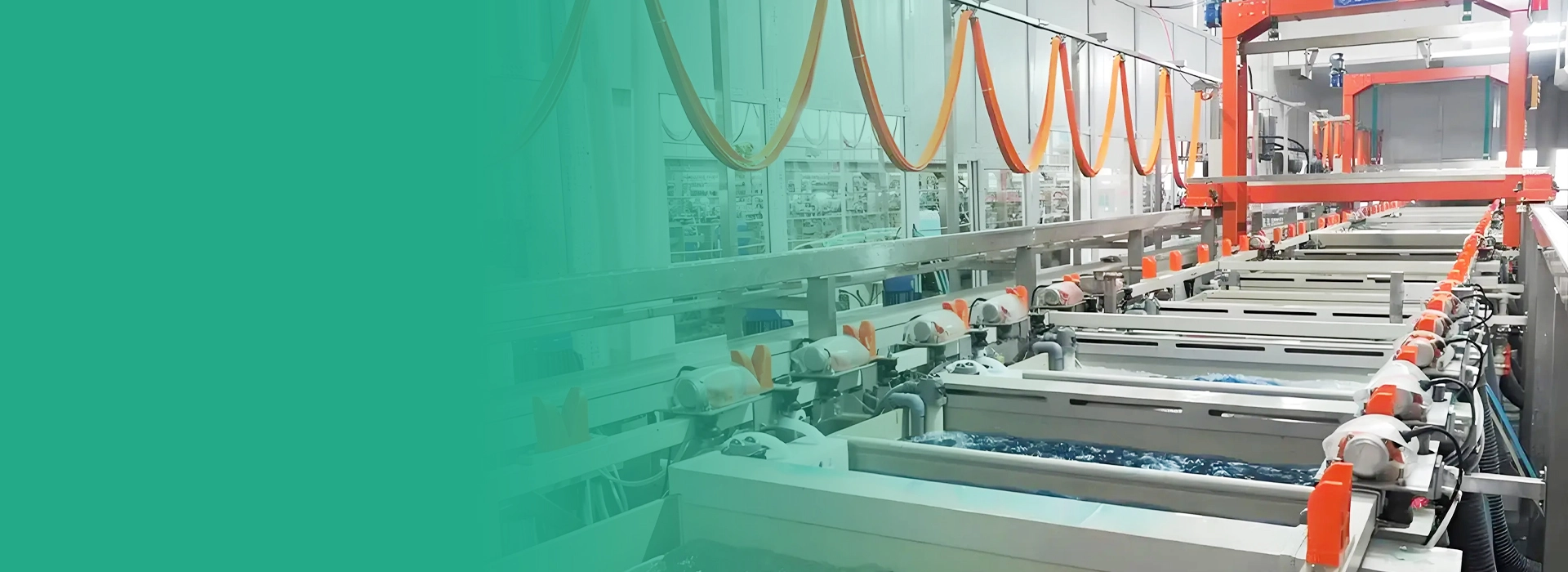
Barrel Chromium Plating — Decorative, Black & Hard Chrome
Chromium plating for barrel: decorative Cr (hexavalent vs trivalent), black chrome, hardness HV 800-1000. Barrel challenges: low current efficiency, throwing power limitations. Temperature and current density parameters.
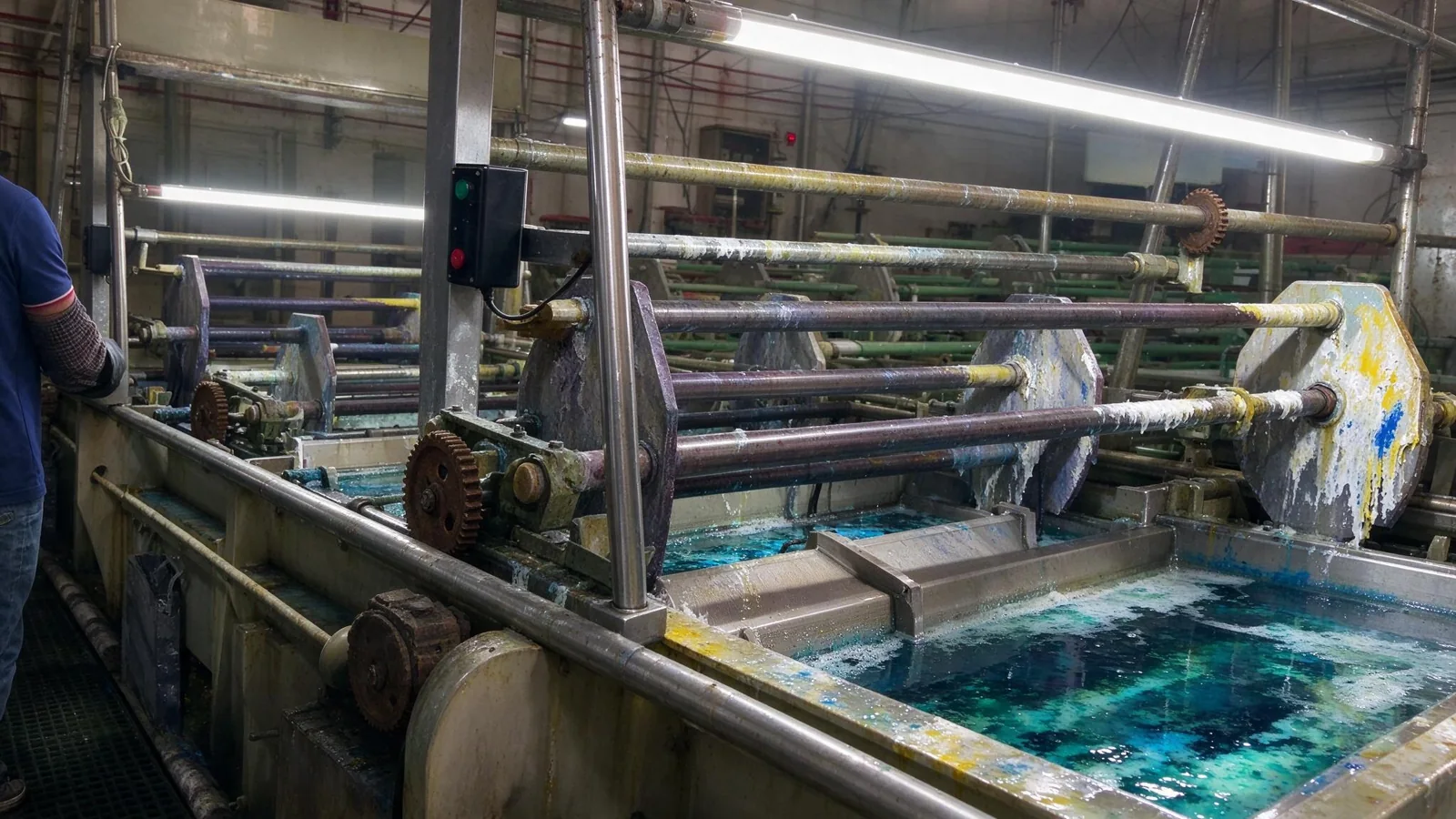 Conceptual illustration based on reference photographs; not test evidence.
Why Barrel Chromium
Chrome is the hardest and most wear-resistant common decorative finish — but barrel chrome is challenging due to low current efficiency and coverage issues
Decorative Chrome
Blue-white mirror, ultra-wear-resistant
Cr⁶⁺ vs Cr³⁺
Trivalent is eco, REACH/RoHS ready
Black Chrome
Solar, optics, luxury hardware
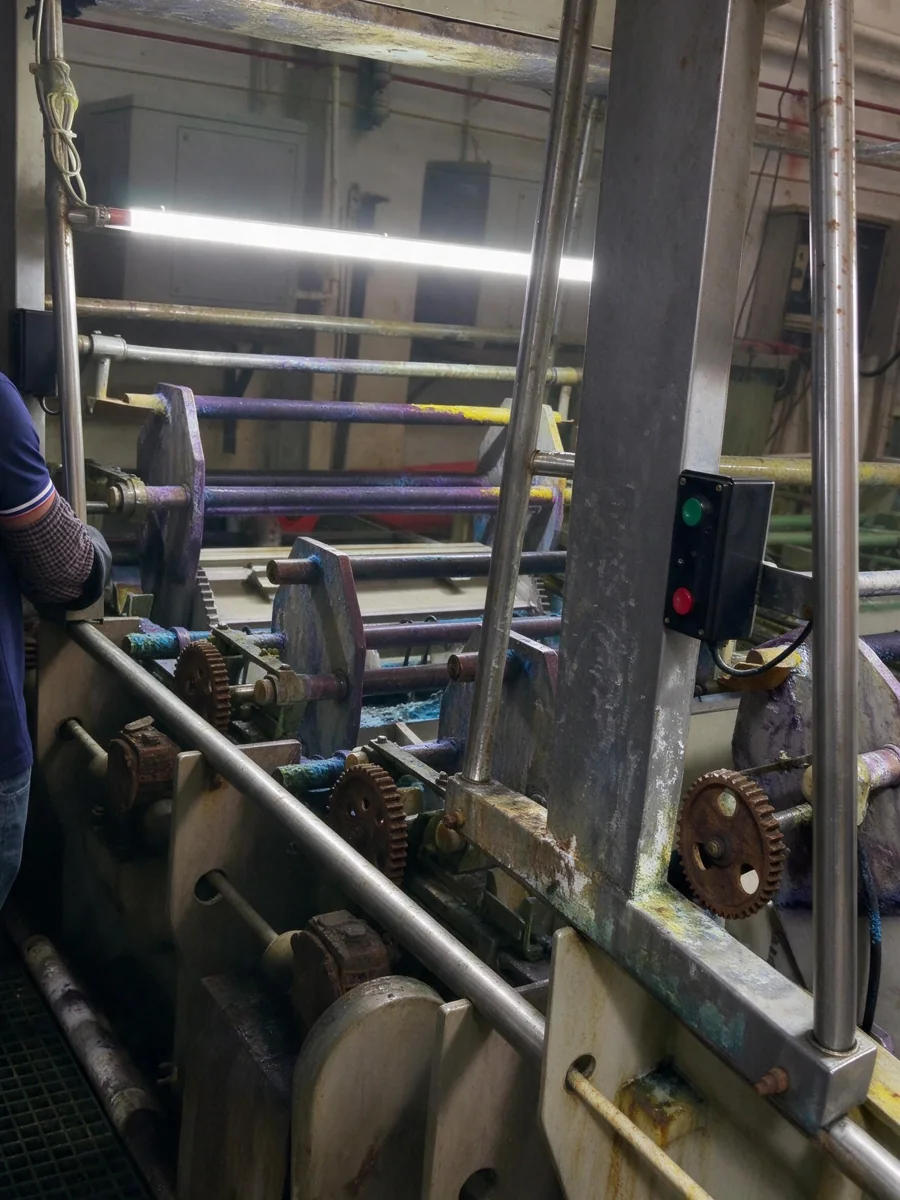 Conceptual illustration based on reference photographs; not test evidence.
Barrel Challenge
~15% efficiency, poor throwing power
Barrel vs Rack — Chromium Comparison
Key differences between barrel chrome and rack chrome
| Parameter | Barrel Plating | Rack Plating |
|---|---|---|
| Current density | 5-15 A/dm² | 10-30 A/dm² |
| Temperature (decorative) | 35-50 °C | 40-55 °C |
| Temperature (hard) | 50-65 °C | 55-70 °C |
| Barrel rotation | 4-8 rpm | N/A |
| Throwing power | Poor (barrel shields current) | Fair (direct connections) |
| Coverage on complex shapes | Partial — edges only in barrel | Good with aux anodes |
| Current efficiency | 10-15% | 12-18% |
| Cost per part (decorative) | Medium | High |
Barrel Chromium — Process Steps
Overcoming low efficiency and coverage challenges in barrel chrome plating
1Bath Make-up — Hexavalent vs Trivalent
Hexavalent Cr (CrO₃ 200-300 g/L + H₂SO₄ catalyst) — classic, high durability. Trivalent Cr (Cr³⁺ salts + organic complex) — REACH-compliant, better throwing power in barrel.
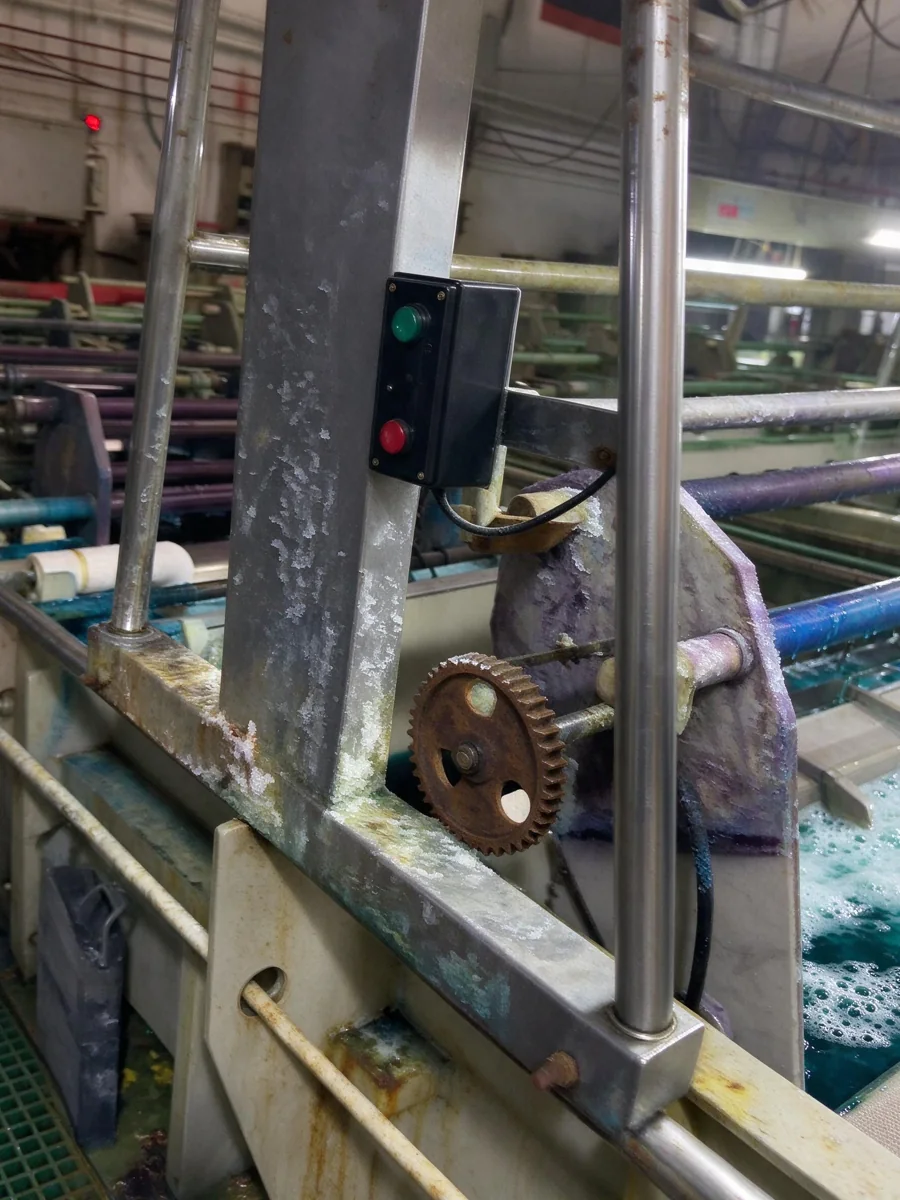 Conceptual illustration based on reference photographs; not test evidence.
2Barrel Loading & Plating
Barrel chrome requires lower current density (5-15 A/dm²) vs rack (10-30 A/dm²). The barrel restricts current flow — only parts near the barrel openings plate well. Part orientation inside barrel matters.
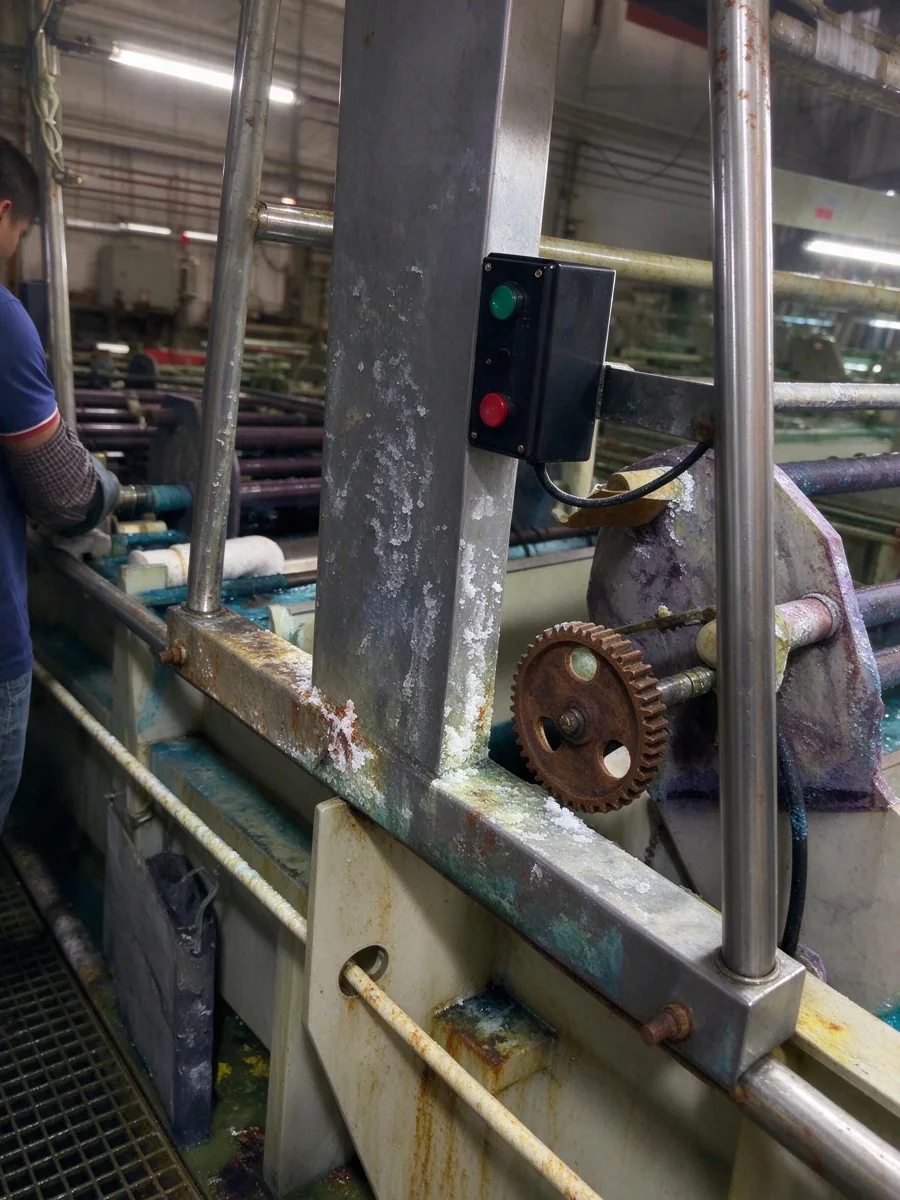 Conceptual illustration based on reference photographs; not test evidence.
3Black Chrome
Black chrome deposits a Cr-Cr₂O₃ composite coating. Used for solar absorbers, optical components and fashion hardware. Needs precise temperature control.
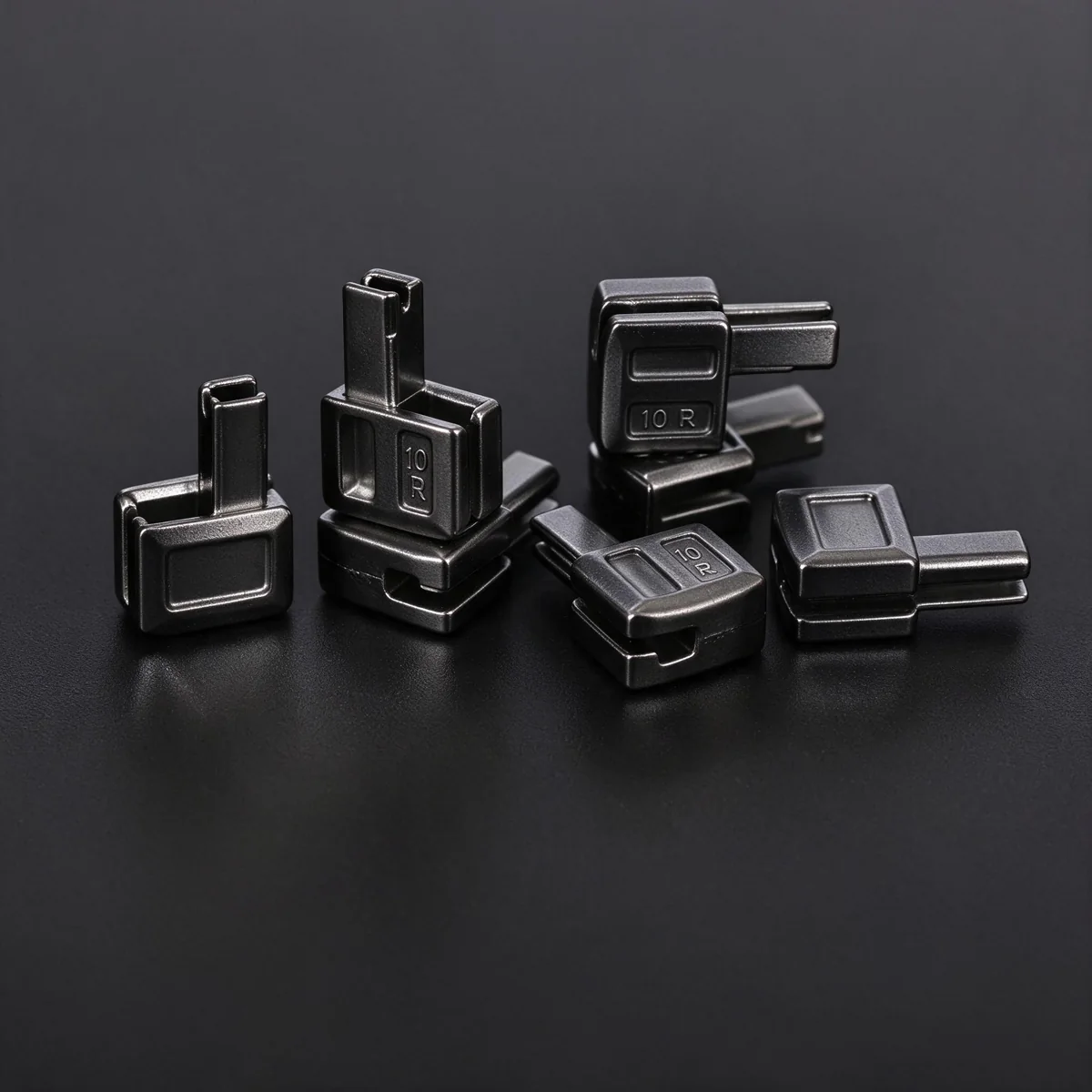 Conceptual illustration based on reference photographs; not test evidence.
4Coverage & Throwing Power Management
Barrel chrome's main challenge: parts in the center get little to no coverage. Solutions: use 'window' barrels with more open area, reduce batch size, use shaped anodes.
5Treatment & Rinse
Chrome solution is toxic — thorough rinsing and fume extraction are mandatory. Cr⁶⁺ reduction treatment for waste water. For trivalent Cr, simpler waste management.
Chromium Types Compared
Choose by hardness, color, environmental requirements and barrel compatibility
| Type | Color | Hardness (HV) | Efficiency | Barrel-Suitable | REACH | Best Use |
|---|---|---|---|---|---|---|
| Hexavalent decorative | Blue-white | 700-900 | 12-18% | Fair | No | Premium hardware |
| Trivalent decorative | White-grey | 600-800 | 15-22% | Good | Yes | EU-bound, eco orders |
| Black chrome | Deep black | 400-600 | 15-20% | Good | Yes | Solar, fashion, optics |
| Hard chrome (hex) | Matte grey | 800-1000 | 12-18% | Limited | No | Industrial (functional) |
| Hard chrome (trivalent) | Grey | 700-900 | 15-22% | Limited | Yes | Industrial (eco) |
📌 Chromium Cheat Sheet
FAQ
Why is chrome so much harder to barrel-plate than nickel?
Trivalent vs hexavalent chrome — which for barrel lines?
How do I know if my barrel chrome coverage is adequate?
What causes 'white haze' on barrel chrome?
Can I do hard chrome in a barrel?
Get a Free Quote Today
Send us your samples or drawings — our engineers reply within 24 hours with pricing and technical advice.
Contact Us