
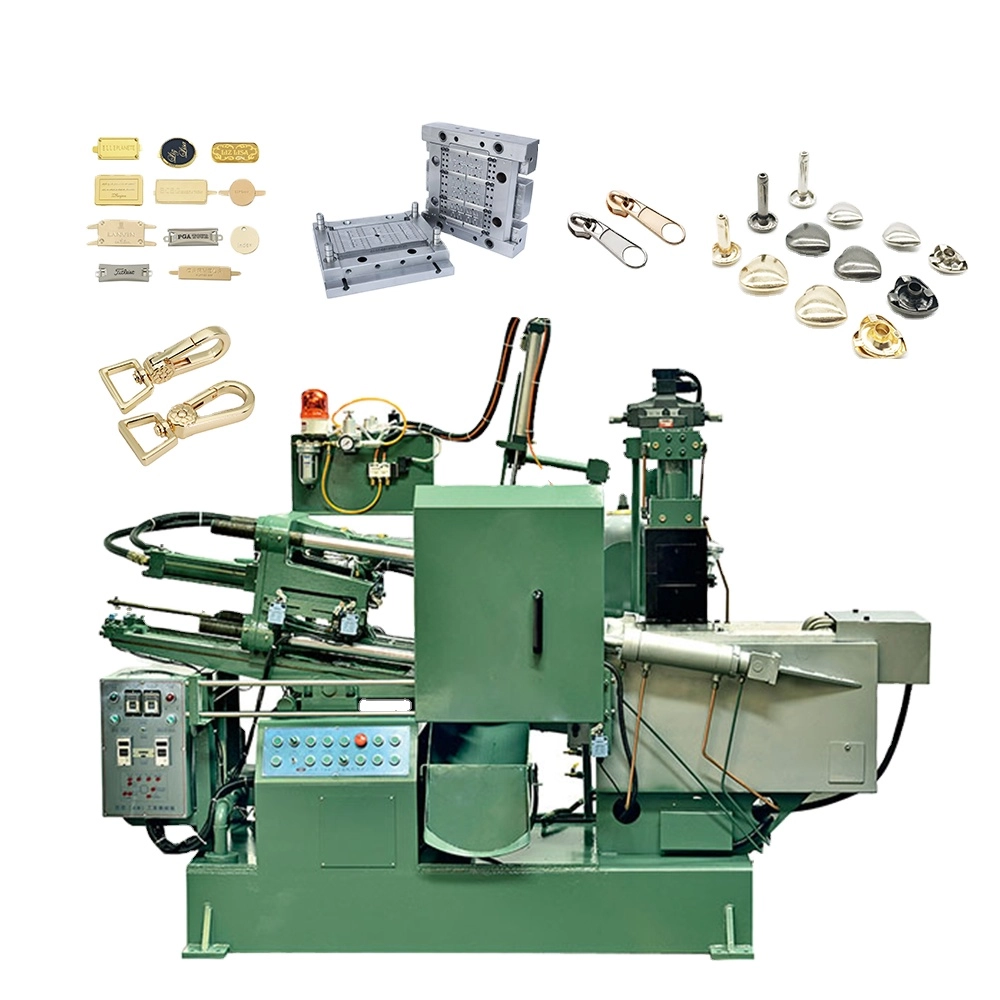
Most die-casting quality problems start before the metal reaches the mould. Melt temperature, dross control and alloy handling decide whether the shot fills cleanly or brings gas, oxide and inclusions into the part - and those defects travel straight into plating and painting.
This guide is the melting-side discipline QLQ process engineers apply on zinc die-casting lines: keep the melt inside the Zamak window, skim and protect it, and verify temperature with calibrated instruments. QLQ supplies the die-casting machines, moulds and the finishing line behind them, and as China's only full-process manufacturing supplier from raw material through electroplating and painting, we treat melt quality as the first hand-off control.
Common Mistakes and How to Avoid Them
The pitfalls that show up most often in real projects, with the cause and the practical fix.
| Mistake | Why It Happens | Practical Fix |
|---|---|---|
| 1. Overheating the melt | Zinc oxidises fast above 470 C and alloy composition drifts | Hold 420-450 C; set a furnace alarm above 460 C |
| 2. Casting from a cold melt | Cold metal causes cold shuts and incomplete fill | Preheat and hold at the working window before the first shot |
| 3. Skipping dross skimming | Oxide and dross get pumped into the shot, then show as inclusions after plating | Skim before each shift and between alloy changes |
| 4. Returning wet runners and gates | Moisture in the charge splatters metal and adds gas | Preheat returns; keep the charge area dry |
| 5. Mixing alloys in one furnace | Different melt windows change flow and shrinkage | Dedicate furnaces or drain fully before changing alloy |
| 6. Long holding without stirring | Zinc and alloying elements separate and iron pickup rises | Keep holding time short; stir before casting |
| 7. Uncalibrated thermocouple | The furnace reads 430 C and the melt is really 465 C | Compare against a reference probe weekly; calibrate monthly |
| 8. Skimming tool contamination | Steel tools drag iron into the melt | Use coated or dedicated tools; keep them clean |
| 9. Ignoring ingot quality | Dirty or mixed ingots bring oxides and wrong composition | Inspect ingots at incoming; store dry and labelled |
| 10. No melt log | Temperature and dross problems repeat unseen | Record melt temp, additions and dross per shift |
Best Practices That Hold Up in Production
The operating disciplines that separate a reliable line from a reactive one.
- Hold the melt inside 420-450 C and alarm above 460 C
- Skim dross every shift and between alloy changes
- Preheat runners, gates and returns before charging
- Keep the charge area dry and ingots labelled
- Verify melt temperature with a reference probe weekly
- Calibrate furnace thermocouples monthly
- Record melt log: temperature, additions, dross, alloy batch
- Confirm alloy identity with a spectrometer where required
Implementation Roadmap
A practical sequence that can be adapted to your own project.
Process Flowchart
Melting control flow
A step-by-step sequence with notes and cautions so every shift follows the same order.
- Zamak 3 and Zamak 5 have slightly different flow and shrinkage; do not mix them casually.
- Skim with coated or dedicated tools to avoid iron pickup.
- Send a melt sample for composition check whenever defects repeat.
- Molten zinc is hot and splash-hazardous - wear full protective equipment.
- Never pour water or wet metal into the furnace.
- Dispose of dross as metal waste; it is not general rubbish.
Working Data & Formula Notes
Working data - zinc alloy melt control
Reference windows from QLQ die-casting practice for zinc-alloy sliders and hardware. Confirm with your alloy supplier.
| Component / Parameter | Working Value / Role | What Changes Mean (annotation) |
|---|---|---|
| Melt temperature | 420-450 C | The working window for Zamak 3/5. Below it, cold shuts and incomplete fill; above 460-470 C, oxidation and composition loss accelerate. |
| Overheat alarm | 460 C | Catches thermocouple drift and burner faults before the melt is damaged. A silent furnace is the danger. |
| Dross skimming | Every shift and alloy change | Removes oxide from the surface. Left in place, it is pumped into the shot and later reads as inclusions under plating. |
| Holding time | Short, with stirring before casting | Long holding increases iron pickup and lets alloying elements separate. Stir before each ladle. |
| Charge preheat | Returns preheated and dry | Moisture in the charge turns to steam in the melt and causes splatter and gas porosity. |
| Ingot composition | Zn 95% +/- 1%, correct alloy | Off-spec alloy changes flow, shrinkage and surface finish. Verify the batch at incoming. |
| Thermocouple verification | Weekly reference check, monthly calibration | A 15 C display error is enough to move the melt outside the window without anyone knowing. |
Reference Data
Specifications and references cited in this guide. Confirm final parameters with your line supplier.
Melt defect to first check
| Cold shuts | Melt below window, mould cold | Raise melt temp, preheat mould |
| Surface inclusions after plating | Dross or oxide pumped into shot | Skim, clean charge, check tools |
| Gas porosity | Wet charge, long holding | Preheat returns, shorten holding |
| Composition drift | Mixed alloys, overheated melt | Drain, verify batch, check burner |
| Splatter during casting | Moisture in charge or tools | Dry tools and returns |
Furnace care schedule
| Skim and inspect melt | Every shift | Remove dross, check surface |
| Reference probe check | Weekly | Compare with furnace display |
| Thermocouple calibration | Monthly | Replace if drift exceeds 5 C |
| Burner and controls | Monthly | Check flame, safety and set-points |
| Furnace reline inspection | Quarterly | Look for refractory damage |
Implementation Cases
Case 1 - inclusions that appeared only after plating
Situation. A South Asian die-casting shop produced sliders that plated bright but showed dark inclusions in the nickel, always on the same puller faces.
Approach. The melt was running 20 C above the window with dross skimmed only at day start. The shop added shift skimming, a 460 C alarm and clean coated skimming tools, and checked composition on the suspect batch.
Outcome. Inclusions disappeared, and the plating line stopped rejecting a casting problem that had been blamed on the nickel bath.
Case 2 - cold shuts traced to a cold furnace start
Situation. A buckle line saw intermittent cold shuts in the first hour of the morning shift, then clean parts the rest of the day.
Approach. The melt was being cast as soon as the furnace reached a surface reading, before the pot stabilised. The plant added a 15-minute stabilisation hold and a reference-probe check before the first shot.
Outcome. Morning cold shuts stopped, and first-shot yield matched the rest of the day.
Frequently Asked Questions
What temperature should a Zamak furnace run at?
Hold the melt in the 420-450 C working window for Zamak 3/5. Set an alarm around 460 C so overheating is caught before oxidation and composition loss start.
Why do I get inclusions after plating?
Dross and oxide from the melt surface get pumped into the shot, then appear as dark inclusions under bright plating. Skim every shift and keep the charge clean.
How often should I skim dross?
At least once per shift and again when changing alloy batches. If the melt surface is grey or crusty, skim before the next shot, not at the end of the day.
Can I return runners and gates to the furnace?
Yes, but preheat them first and keep them dry. Cold or wet returns cause splatter, gas pickup and temperature swings.
Why does my furnace read differently from my probe?
Thermocouples drift with age and position. Compare the furnace display with a reference probe weekly and calibrate monthly; replace if the error exceeds about 5 C.
Does holding metal longer hurt?
Yes. Long holding raises iron pickup from the pot and lets alloying elements separate. Keep holding time short and stir before casting.
Can I mix Zamak 3 and Zamak 5?
They have different flow, shrinkage and mechanical behaviour. Avoid mixing in one furnace; if you must switch, drain fully and clean the pot first.
How do I know my alloy is correct?
Check ingot certificates at incoming and run a spectrometer check when defects repeat. Zinc content is typically around 95% plus alloying elements.
Why does metal splatter when I charge?
Moisture in the charge or tools turns to steam under the melt and erupts. Preheat returns and keep everything in the charge area dry.
What equipment does QLQ supply for the melting side?
QLQ supplies die-casting machines, moulds and the finishing line behind them, and our process engineers review melt windows, skimming and temperature control as part of the casting-to-finishing hand-off.
What Would You Like to Solve?
If plated inclusions, blisters or cold shuts keep returning, check the melt before the mould: temperature window, dross, charge condition and thermocouple accuracy. Share your melt log, alloy batch and a photo of the defect, and we can map which melting control is drifting.
Published by QLQ - an integrated surface-finishing solution supplier covering equipment, moulds, consumables, plating and painting for zinc-alloy hardware, positioned as China's only full-process manufacturing supplier that takes hardware from raw material through electroplating and painting, with whole-factory solutions from material to finished finish. Values cited are project references; confirm with your line supplier before specification.