
The question every buyer asks
REACH restrictions on hexavalent chromium (chromic acid) are squeezing the space for conventional passivation systems. RoHS regulates the product while REACH regulates process and supply chain, so the two frameworks together mean your plating supplier must prove compliance on both fronts.
Parameters are industry-standard starting ranges; confirm against your supplier TDS.
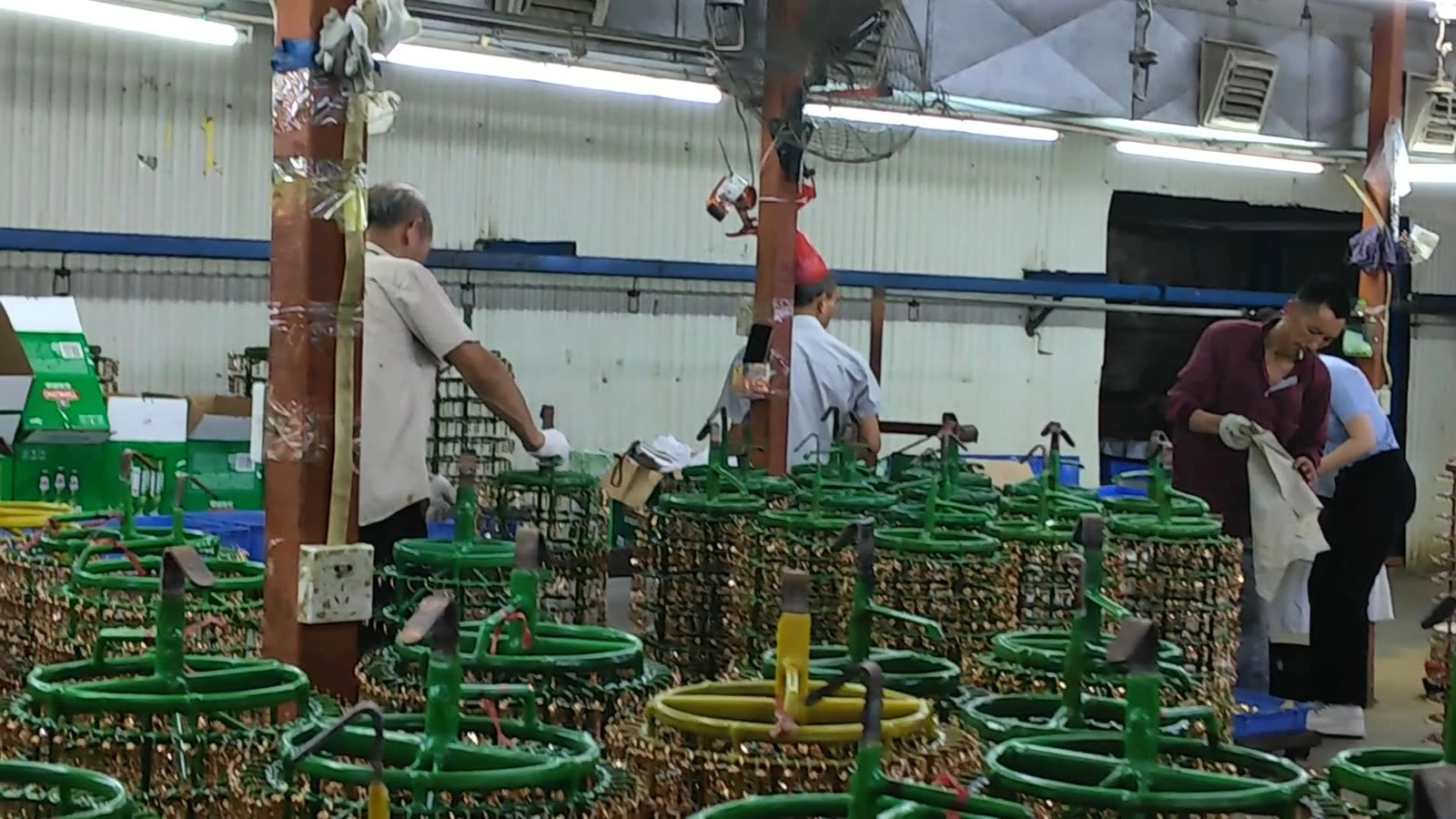
How we handle it on the line
- REACH authorisation/SVHC restrictions on chromic acid directly constrain conventional hexavalent passivation and plating processes.
- RoHS governs the finished product; REACH governs process and supply chain — a supplier must answer both, not one.
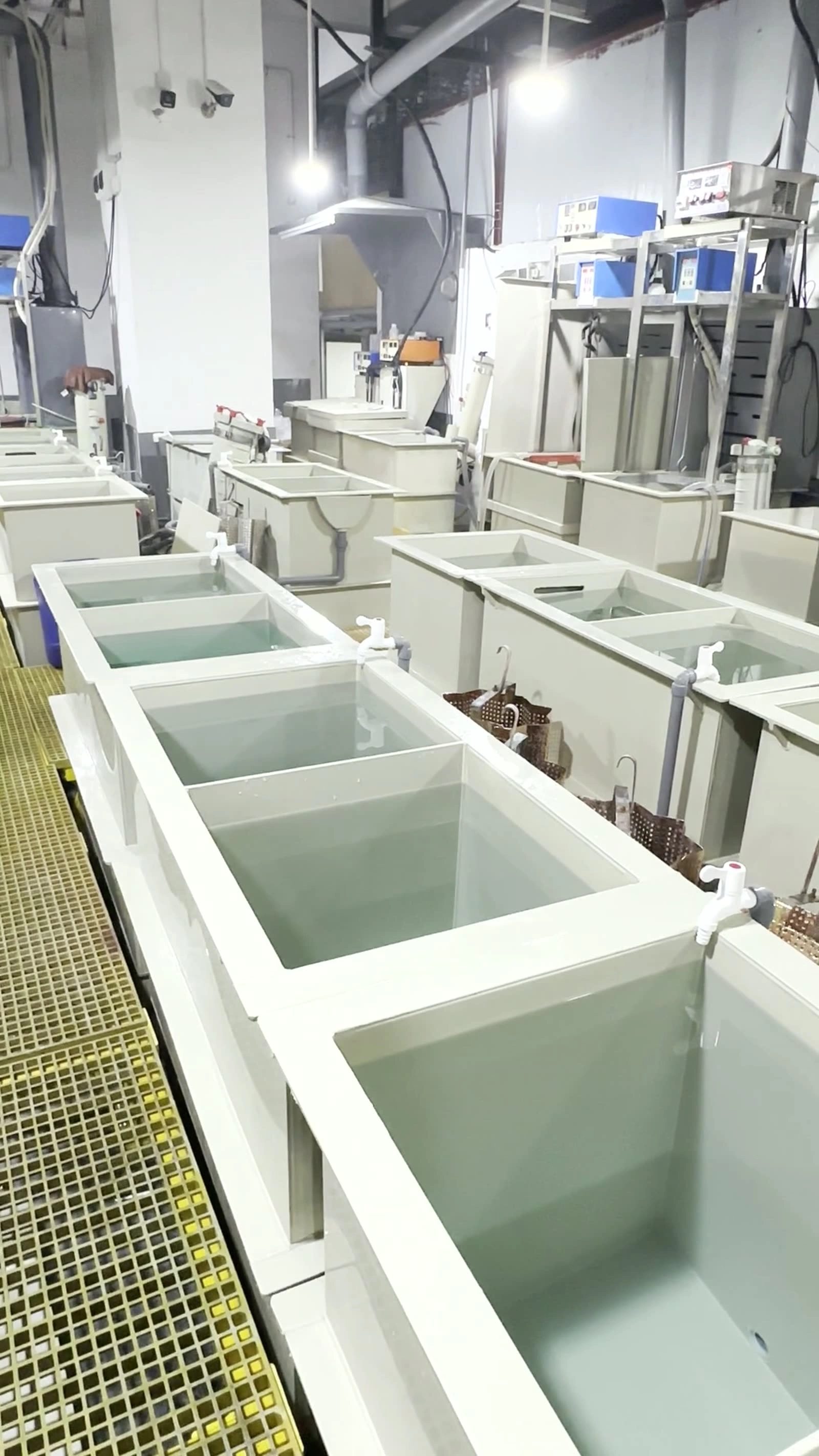
- Proof point 1: the process must be free of restricted substances (e.g. trivalent passivation replacing hexavalent).
- Proof point 2: wastewater discharge must be compliant under the applicable emission standard.
- Proof point 3: the supplier must be able to complete SVHC questionnaires and declarations for your brand audits.
- Selection criterion: a factory with its own plating lines and mass-production trivalent capability, not a small shop that outsources plating.
- QLQ's in-house plating shop manages both RoHS and REACH systems and supports customers through compliance questionnaires and SVHC declaration materials.
Honest boundaries
- REACH rules and authorisation lists keep evolving — confirm the current status of the specific substances at order time.
- A supplier's process compliance does not automatically extend to outsourced plating they subcontract.
- SVHC questionnaire support covers the supplier's own processes; downstream component makers must provide their own evidence.
FAQ
How does the REACH hexavalent chromium restriction affect my plating supplier?
It forces the shift from hexavalent to trivalent passivation and requires proof of process compliance, wastewater legality and SVHC questionnaire support. Suppliers without their own lines struggle most.
My supplier says RoHS-compliant product means REACH is fine — is that true?
No. RoHS governs the product, REACH governs process and supply chain. You need both: product test reports plus the supplier's process and emission compliance evidence.
What should I check before choosing a plating supplier for EU-bound goods?
Own plating lines with mass-production trivalent capability, compliant wastewater discharge, and willingness to complete SVHC questionnaires. Outsourced-plating small shops cannot control the process chain.
Can you help with SVHC documentation for our brand audit?
Yes — QLQ's in-house shop manages RoHS/REACH dual systems and supports customers through compliance questionnaires and SVHC declaration materials.