
The question every buyer asks
Buyers often assume hydrogen-embrittlement baking can be scheduled whenever convenient around chromating. The sequence actually matters: bake soon after plating, before trivalent chromating, because the chromate film has limited temperature tolerance and baking after chromating damages it.
Parameters are industry-standard starting ranges; confirm against your supplier TDS.
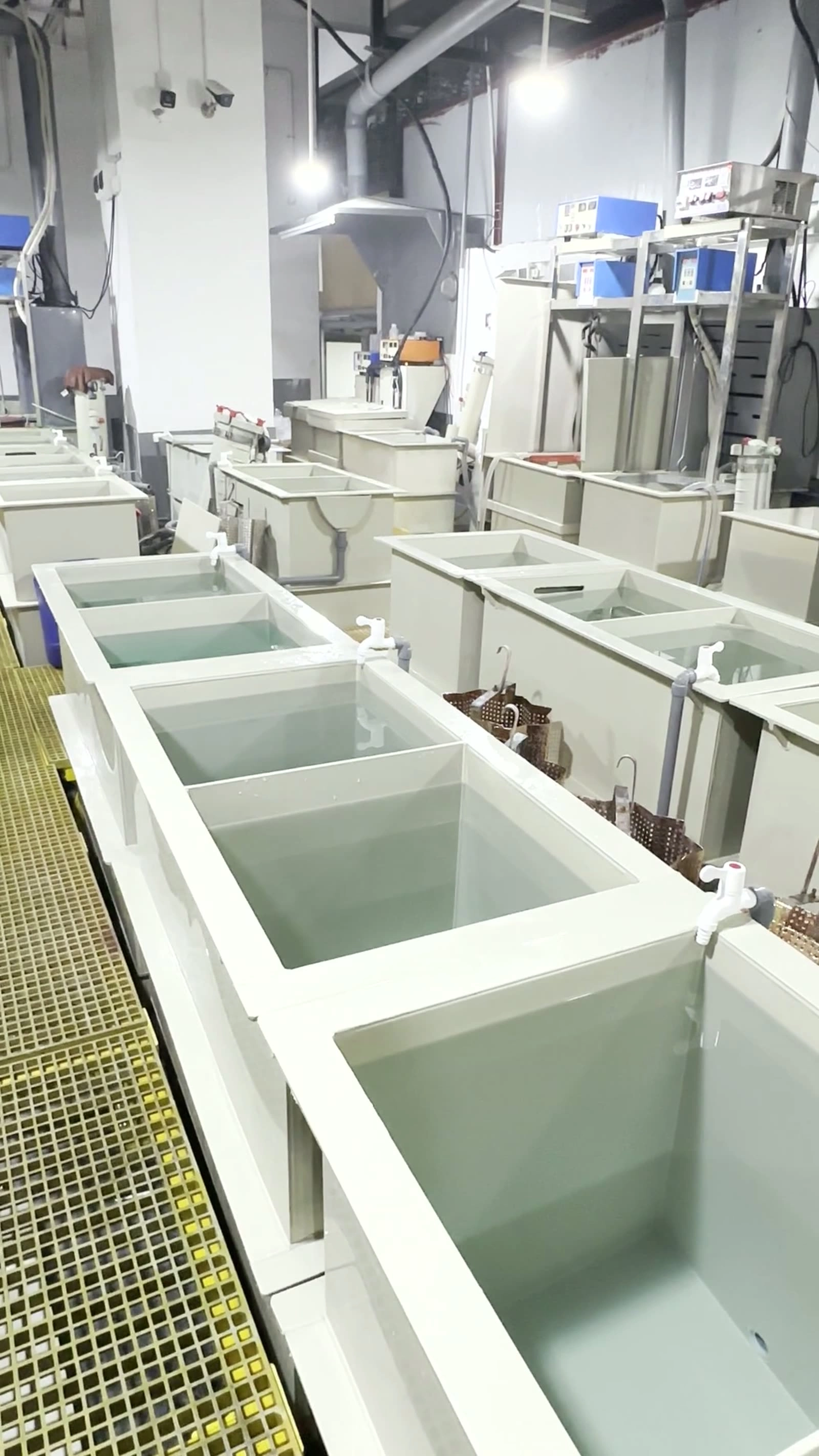
How we handle it on the line
- Standard bake parameters: 190-220°C for 4-8 hours; high-strength steel gets extended time by strength grade.
- Correct order: bake as soon as possible after plating, then chromate — the trivalent chromate film tolerates only limited temperature, so chromate-first-then-bake destroys the film.
- Missed baking on springs and high-strength parts causes delayed cracking; hydrogen-embrittlement fractures can appear days after delivery.
- Overheating during the bake causes blistering of the deposit — the cure must not become a new defect.
- Risk ranking: the higher the tensile strength and the harder the part is loaded (springs, fasteners under torque), the more non-negotiable the bake.
- QLQ runs high-strength steel orders on a default 'bake after plating, chromate afterwards' flow and states the bake parameters in the test report.
Honest boundaries
- Baking greatly reduces but cannot be guaranteed to eliminate hydrogen embrittlement risk on very high-strength steels.
- Bake parameters must match the steel's strength grade — a generic recipe is not a substitute for grade-specific times.
- If chromating is required before baking for schedule reasons, the chromate film may be damaged — sequence changes need written approval.
FAQ
Should hydrogen-embrittlement baking happen before or after trivalent chromating?
Bake first, chromate afterwards. The standard bake is 190-220°C for 4-8h (extended by strength grade for high-strength steel); baking after chromating damages the temperature-sensitive chromate film.
A spring part cracked days after delivery — could this be hydrogen embrittlement?
Yes, delayed cracking days after delivery is a classic hydrogen-embrittlement signature from a missed bake on high-strength parts. Verify whether the supplier baked after plating and before chromating.
Does baking harm the trivalent chromate layer?
Not if done in the right order: bake right after plating, then chromate. Chromating first and baking afterwards overheat-limits the film and can discolor or destroy it.
What bake parameters should appear in the supplier's report?
Temperature (190-220°C), duration (4-8h or extended per strength grade), and time-to-bake after plating. QLQ records all bake parameters in the report for high-strength steel orders.