
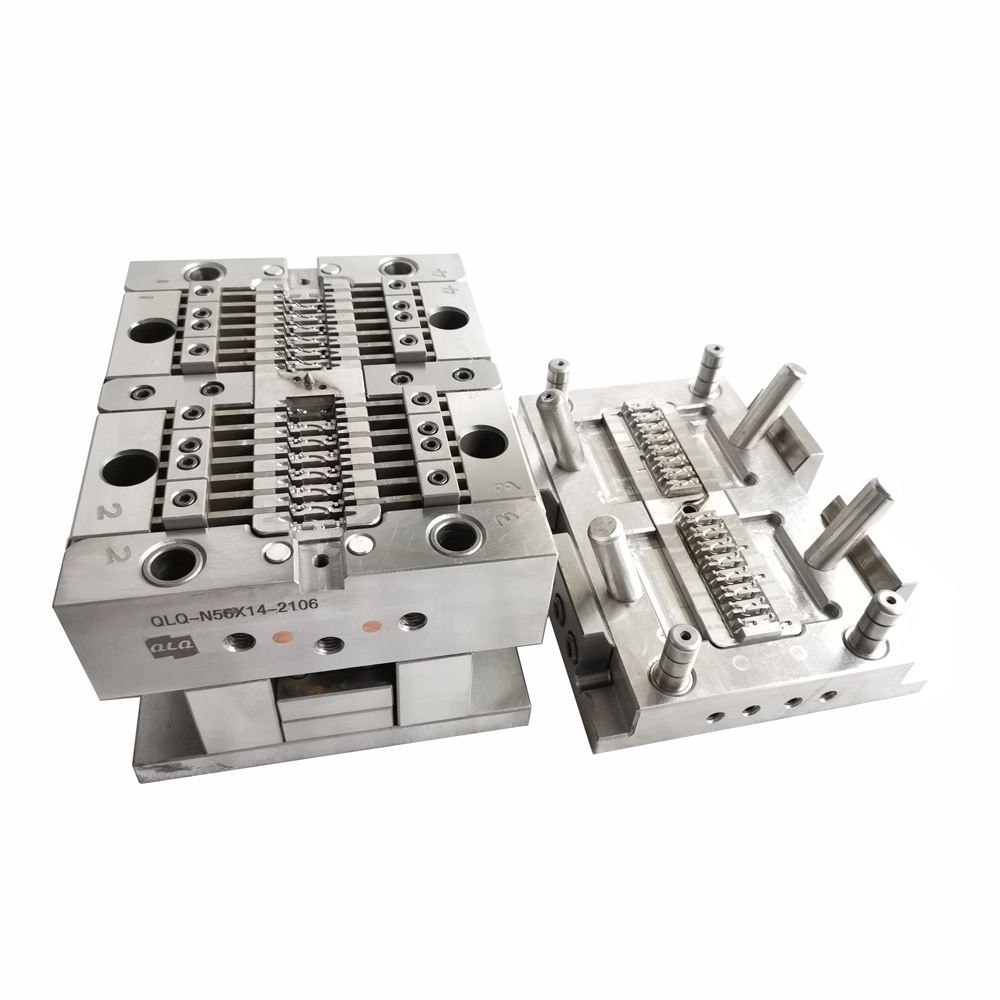
A new die-casting line fails in the first month not on the machine but on the utilities: water, power, air and the stabilisation plan. Commissioning is a sequence, not an event.
This guide is the commissioning sequence for a zinc die-casting line, written for managers.
Common Mistakes and How to Avoid Them
The pitfalls that show up most often in real projects, with the cause and the practical fix.
| Mistake | Why It Happens | Practical Fix |
|---|---|---|
| 1. Machines before utilities | Stops on day one | Commission utilities first |
| 2. Water quality ignored | Cooling failures | Test and treat |
| 3. Power unverified | Rectifier and heaters | Check voltage and load |
| 4. No stabilisation plan | First month chaos | 30-day plan |
| 5. Moulds untested | Wear and fit issues | Test cavities first |
| 6. Operators untrained | Setups drift | Train before start |
| 7. No spares | Stops stretch | Plan by risk |
| 8. No data baseline | Cannot judge | Record day-one baselines |
Best Practices That Hold Up in Production
The operating disciplines that separate a reliable line from a reactive one.
- Utilities before machines
- Test water and power
- Run a 30-day stabilisation plan
- Train before start
- Record baselines
Implementation Roadmap
A practical sequence that can be adapted to your own project.
Process Flowchart
Commissioning flow
A step-by-step sequence with notes and cautions so every shift follows the same order.
- Day-one baselines make month-two judgement possible.
- Spares by risk keep stops short.
- Utility safety checks are mandatory.
- Never commission without trained operators.
Working Data & Formula Notes
Working data - commissioning checks
Reference checks for a new die-casting line.
| Component / Parameter | Working Value / Role | What Changes Mean (annotation) |
|---|---|---|
| Supply voltage | 380 V +/- 10% | Protects heaters and controls. |
| Cooling water | 15-25 C, treated | Mould and machine life. |
| Air pressure | 0.5-0.7 MPa | Pneumatics and safety. |
| Mould temperature | 180-220 C | First-article quality. |
Reference Data
Specifications and references cited in this guide. Confirm final parameters with your line supplier.
30-day stabilisation plan
| Week 1 | Utilities, trials, baselines | Fix issues before output |
| Week 2 | First products, gates | Yield and scrap baselines |
| Week 3 | Process tuning | One change per batch |
| Week 4 | Audit and hand-over | Cards, spares, training |
Implementation Cases
Case 1 - a line that stopped on water day one
Situation. A new line stopped repeatedly; the cooling water was too hard and hot.
Approach. Water treatment and a 15-25 C supply were commissioned before machines ran.
Outcome. Day-one stops disappeared.
Case 2 - stabilisation that made month two clean
Situation. A line with no plan spent month one firefighting.
Approach. A 30-day plan with gates and baselines was added.
Outcome. Month two ran on data instead of fire drills.
Frequently Asked Questions
Why utilities first?
Most day-one stops are power, water or air, not the machine.
Why test water?
Hard or hot water kills cooling and moulds.
What is the 30-day plan?
A four-week sequence: utilities, trials, tuning, audit.
Why train before start?
Untrained setups create bad habits that last.
Why record baselines?
Month-two judgement needs day-one numbers.
What spares do I need?
Plan by risk: heaters, tips, seals, fuses.
Why gate trials?
First-article gates set the discipline from day one.
When is commissioning done?
When the line runs a week on cards with no fire drills.
What Would You Like to Solve?
Commission utilities first, run a 30-day stabilisation plan and record baselines. A line that starts disciplined stays disciplined.
Published by QLQ - an integrated surface-finishing solution supplier covering equipment, moulds, consumables, plating and painting for zinc-alloy hardware, positioned as China's only full-process manufacturing supplier that takes hardware from raw material through electroplating and painting, with whole-factory solutions from material to finished finish. Values cited are project references; confirm with your line supplier before specification.