
The question every buyer asks
Many buyers assume a failed salt-spray result on multi-layer nickel means the bath chemistry is simply bad. In reality, the layer structure itself — the potential-difference design between semi-bright nickel, bright nickel and microsealed nickel — determines where corrosion goes, so structure must be checked before the bath.
Parameters are industry-standard starting ranges; confirm against your supplier TDS.
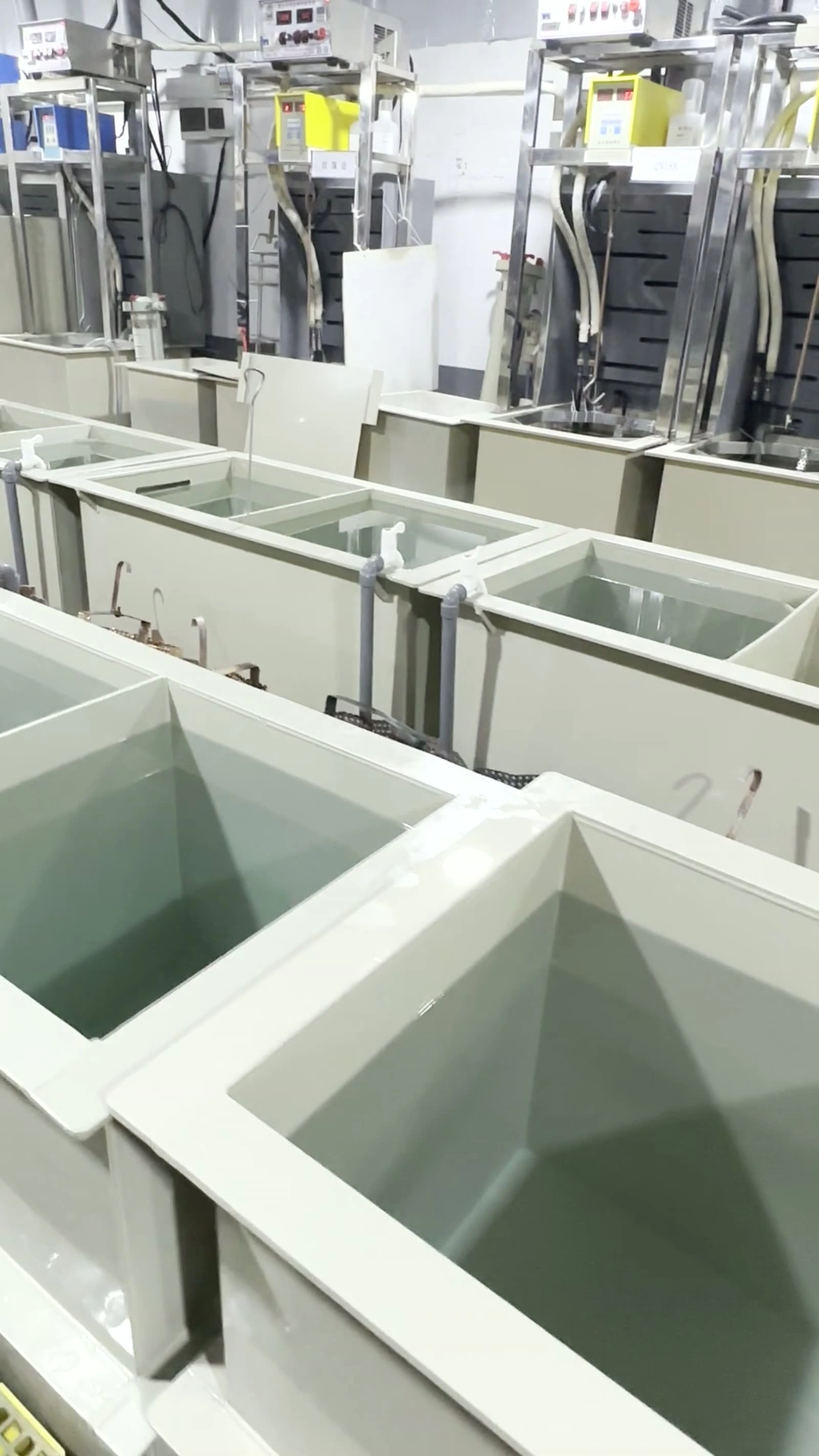
How we handle it on the line
- Term: multi-layer nickel stacks semi-bright nickel, bright nickel and a microsealed (nickel-seal) layer; the potential difference between layers directs corrosion sideways instead of through to the base.
- If the nickel-seal layer is missing, pores in the chrome layer go straight down into bright nickel and pitting penetration appears.
- Troubleshooting step 1: measure each layer's actual thickness by XRF and compare against the design values.
- Troubleshooting step 2: check the particle concentration in the nickel-seal bath — a depleted seal bath behaves like no seal at all.
- Troubleshooting step 3: check the micro-crack density of the chrome layer, which spreads corrosion current instead of concentrating it.
- Misuse risk: simply thickening bright nickel to chase hours unbalances the potential difference and can accelerate pitting instead of stopping it.
- QLQ designs slider plating as a full multi-layer system with documented bath-maintenance logs, re-tests salt spray tier by tier in production, and does not ship batches that miss the tier.
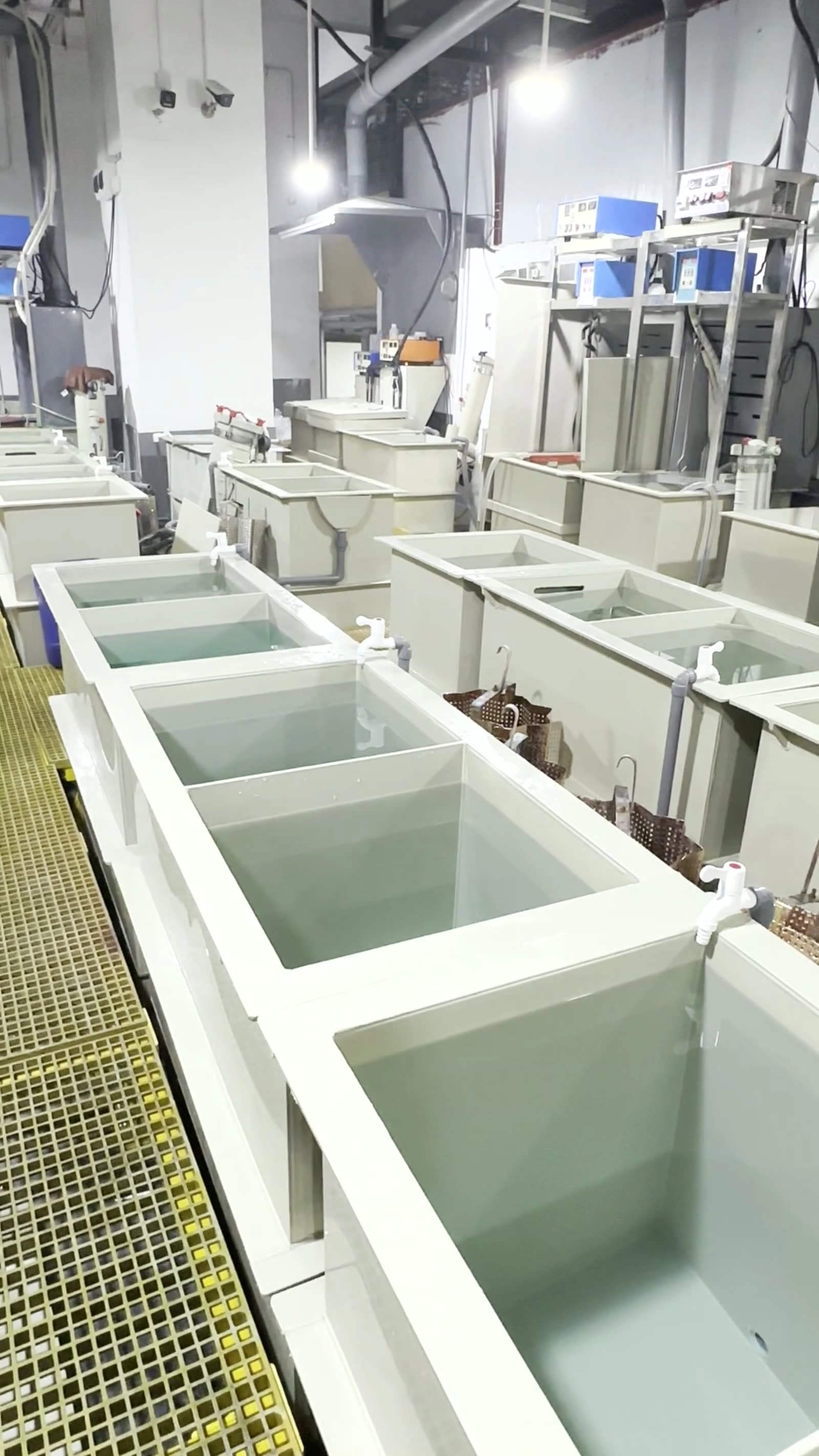
Honest boundaries
- A salt-spray pass is an accelerated corrosion result, not a service-life guarantee.
- Fixing one layer (e.g. thickening bright nickel) without checking the whole stack can make pitting worse.
- XRF thickness readings are spot measurements; agreement on sampling points should be written down before acceptance.
FAQ
Multi-layer nickel parts failed salt spray — should I blame the plating bath first?
Check structure before the bath: measure semi-bright/bright/nickel-seal thickness by XRF, then seal-particle concentration, then chrome micro-crack density. A missing or weak nickel-seal layer is the most common cause of pitting penetration.
Why did thickening the bright nickel make corrosion worse, not better?
Adding bright-nickel thickness alone unbalances the potential difference designed between the layers, so corrosion current concentrates through chrome pores instead of spreading. Follow the original multi-layer design values.
How do I verify the nickel layers are actually as specified?
Ask for XRF cross-section measurements of each layer against design values, plus the seal-bath particle concentration record. QLQ plating batches ship with these records and per-tier salt-spray retests.
Can you guarantee my batch passes the salt-spray tier every time?
We re-test each production batch against the agreed tier and hold non-conforming batches rather than shipping them. We promise measured data per tier, not that corrosion can never occur.