
The question every buyer asks
Many buyers expect 304 stainless to survive any salt-spray hour count and treat pitting as fraud. In reality stainless relies on a passive film that chloride environments locally break down, so pitting hours for 304 and 316 fall in defined, normal ranges.
Parameters are industry-standard starting ranges; confirm against your supplier TDS.
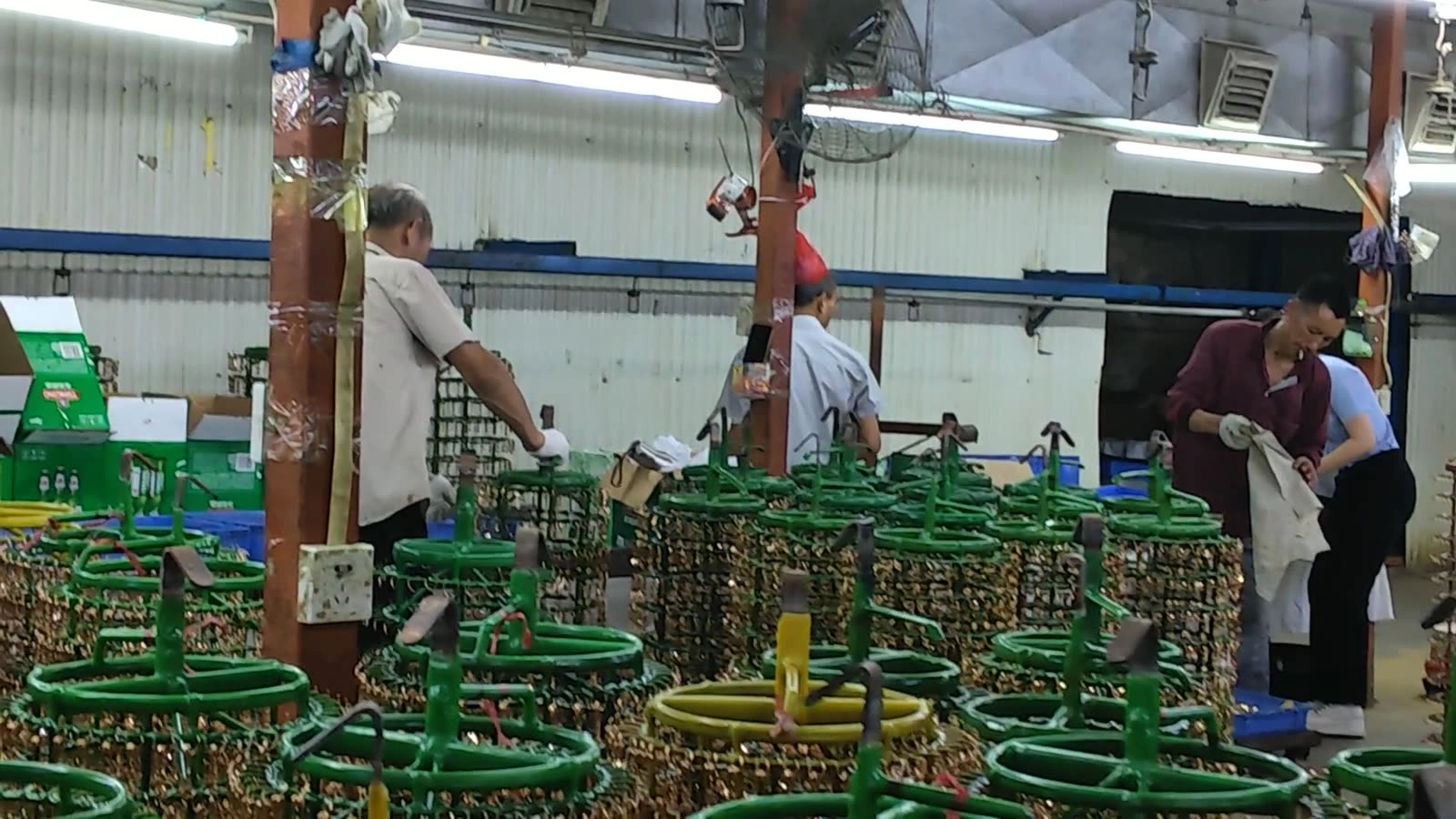
How we handle it on the line
- 304 stainless typically shows first pitting in neutral salt spray around 48-72h; 316 around 72-120h — this is normal passivation-film behavior, not a defect.
- Stainless corrosion resistance comes from the passive chromium-oxide film, which chlorides (seawater, de-icing salt) can pierce locally.
- Salt-spray hours on stainless do not translate to real service life; coastal or de-icing-salt environments should be judged with pitting-potential data instead.
- Write the stainless grade (304 vs 316) explicitly into the order; 'stainless' alone leaves room for material substitution.
- Accept on two checks together: spectrometer material verification plus salt-spray result.
- QLQ stainless zipper systems sell double protection — corrosion-resistant base metal plus a coating bonus — a tier above plain brass with thin plating in humid storage and sweat-exposure scenarios.
- We do not claim stainless means 'never rusts'; we publish measured pitting hours per grade instead.
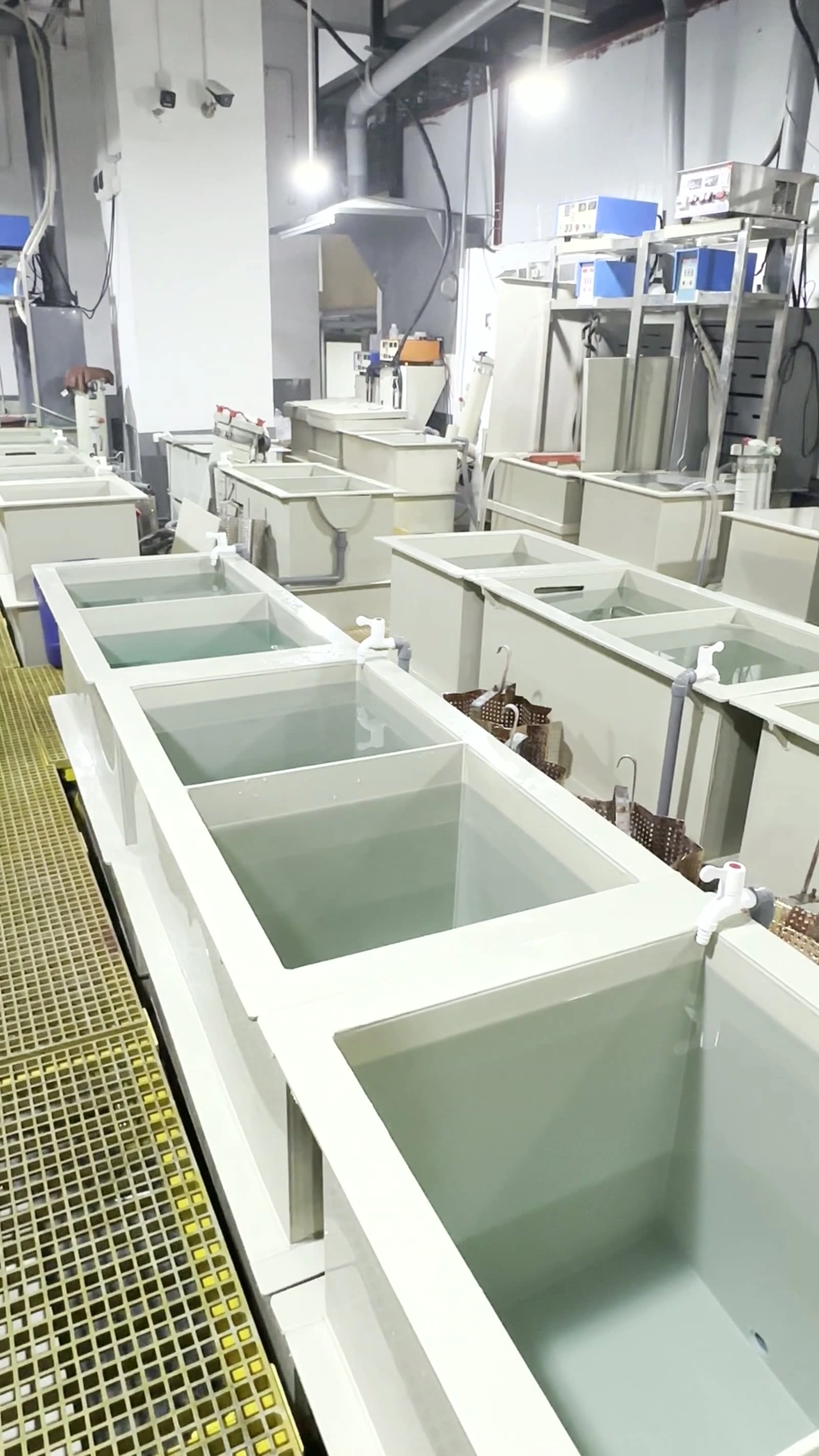
Honest boundaries
- Salt-spray hours are not service years; 48-120h first-pitting results are normal for 304/316 and not a warranty breach.
- We do not promise stainless never rusts — in chloride-rich environments pitting can still occur.
- Coastal, de-icing-salt and sweat environments need project-specific evaluation beyond a standard NSS test.
FAQ
How many hours of neutral salt spray can 304 stainless survive before pitting?
Typically 48-72h to first pitting; 316 about 72-120h. This is normal for passive-film stainless in chloride conditions, not a quality failure.
Is 316 worth the premium over 304 for my coastal product line?
316 buys roughly 24-48h more pitting resistance thanks to added molybdenum, but neither grade survives seawater indefinitely. Judge coastal applications with pitting-potential data, not just NSS hours.
My 304 part rusted at 60 hours — is that a defect I can claim on?
No. 48-72h first pitting is within normal range for 304. Acceptance should be agreed in advance as spectrometer grade verification plus the salt-spray tier, so results inside the range are conforming.
Does 'stainless' in a quote guarantee the actual grade is 304 or 316?
Not unless it is written into the order. Specify the grade and accept on spectrometer verification plus salt spray — QLQ quotes state the grade explicitly and support both checks.