
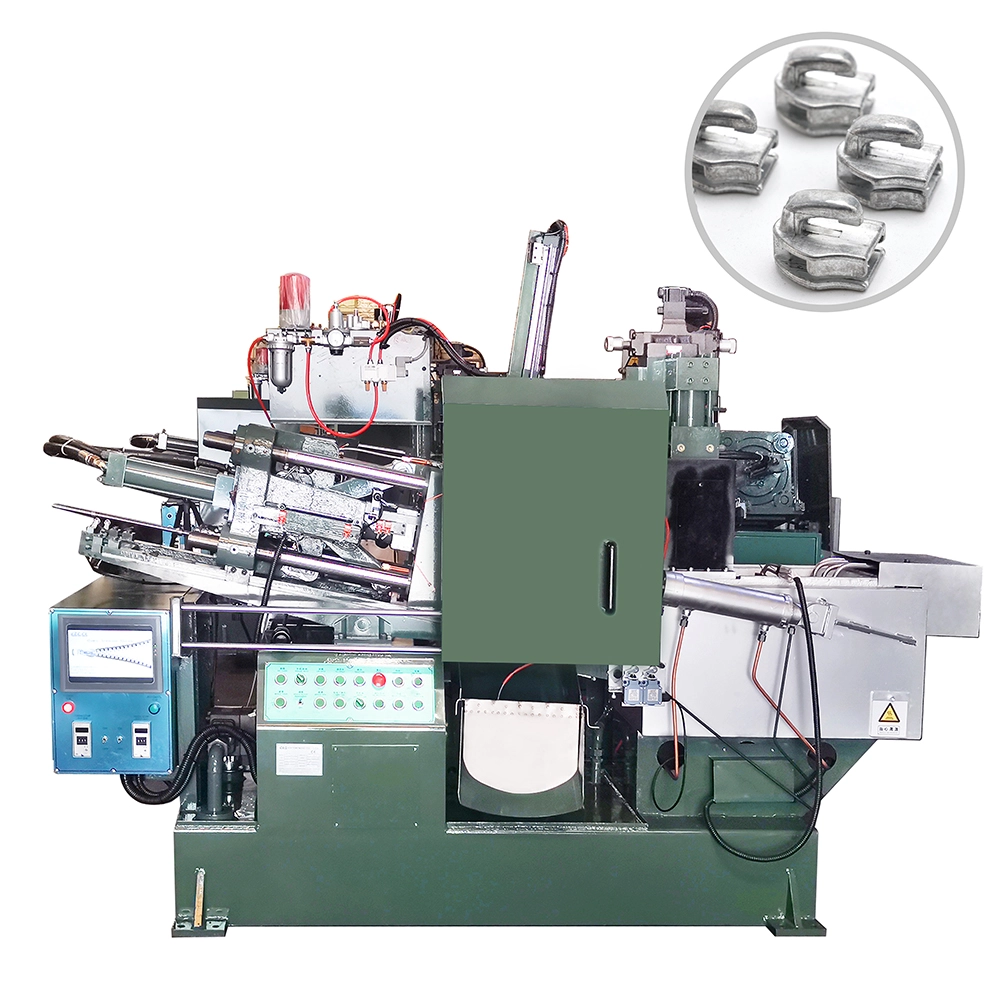
A blister in nickel is not a plating problem until the casting is ruled out. The senior method traces the evidence: melt log, bake test and section.
This guide is the cross-process tracing sequence that settles casting-versus-plating disputes with data.
Common Mistakes and How to Avoid Them
The pitfalls that show up most often in real projects, with the cause and the practical fix.
| Mistake | Why It Happens | Practical Fix |
|---|---|---|
| 1. Blaming the bath first | Casting faults hidden | Bake test before bath review |
| 2. No melt log | Evidence missing | Log every shift |
| 3. Surface-only check | Porosity unseen | Section on suspicion |
| 4. One-off fixes | Fault returns | Controlled batch |
| 5. Dross ignored | Inclusions | Skim and record |
| 6. No retention | Dispute lost | Keep samples |
| 7. Multiple changes | Cause hidden | One change, one batch |
| 8. No data link | Casting and plating data apart | Link by batch |
Best Practices That Hold Up in Production
The operating disciplines that separate a reliable line from a reactive one.
- Bake test before blaming plating
- Keep the melt log
- Section on suspicion
- Prove with controlled batches
- Link casting and plating data by batch
Implementation Roadmap
A practical sequence that can be adapted to your own project.
Process Flowchart
Blister tracing flow
A step-by-step sequence with notes and cautions so every shift follows the same order.
- The bake test is the cheapest dispute-settler.
- Linking batch data ends the blame game.
- Bake tests need a controlled oven.
- Sectioning needs lab tools.
Working Data & Formula Notes
Working data - blister evidence
Reference checks for casting-versus-plating blisters.
| Component / Parameter | Working Value / Role | What Changes Mean (annotation) |
|---|---|---|
| Bake test | 120 C, 1 h | Exposes porosity-driven blisters. |
| Melt temperature | 420-450 C | Overheat = gas and oxide. |
| Dross record | Per shift | Inclusion source. |
| Section | Thick section | Void evidence. |
Reference Data
Specifications and references cited in this guide. Confirm final parameters with your line supplier.
Evidence to source
| Blister after bake | Porosity | Casting or impregnation |
| Blister without bake | Interface or bath | Plating side |
| Inclusions | Dross | Melt control |
| Seasonal pattern | Melt or water | Trend review |
Implementation Cases
Case 1 - blisters settled by the melt log
Situation. Plating and casting blamed each other over blisters.
Approach. The bake test passed; the melt log showed three days at 25 C overheat. The melt window was restored.
Outcome. Blisters stopped and the log became shared evidence.
Case 2 - porosity proven by section
Situation. Blisters kept returning on one casting family despite a clean bath.
Approach. Sections showed clustered voids; the family was vacuum-impregnated and bake-tested per batch.
Outcome. Blisters stopped at the release gate.
Frequently Asked Questions
Why bake test first?
Porosity blisters at 120 C in an hour, before plating chemistry is even touched.
What does the melt log prove?
Temperature and dross history link a batch to its melt condition.
Why section?
Surface looks hide the voids that become blisters.
What if the bake test passes?
Then the fault is on the plating side - interface, rinse or bath.
Why link data by batch?
It replaces blame with evidence for both teams.
What is a controlled batch?
One change, one batch, linked results.
How do I prevent recurrence?
Bake-test gates per batch and a melt log per shift.
Who owns the evidence?
Both teams - the bake test and section are shared.
What Would You Like to Solve?
Bake first, read the melt log, section on suspicion and link the data by batch. Blisters only settle with evidence.
Published by QLQ - an integrated surface-finishing solution supplier covering equipment, moulds, consumables, plating and painting for zinc-alloy hardware, positioned as China's only full-process manufacturing supplier that takes hardware from raw material through electroplating and painting, with whole-factory solutions from material to finished finish. Values cited are project references; confirm with your line supplier before specification.