
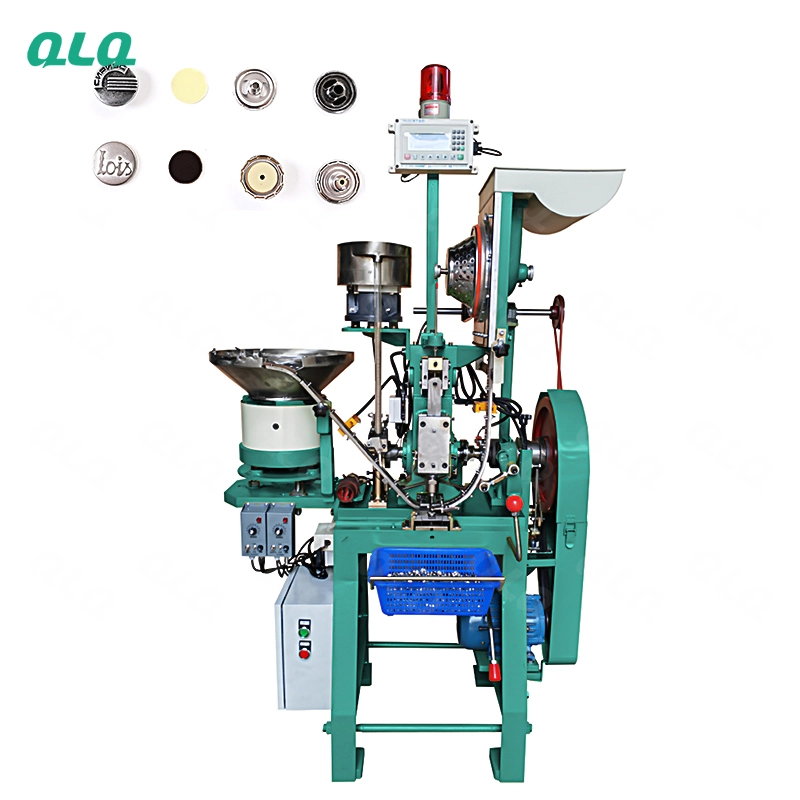
A cold painting department is managed on the booth and the effect master: every product carded, every effect measured, every painter trained. Managers who run this keep specialty finishes stable.
This guide is for cold painting managers.
Common Mistakes and How to Avoid Them
The pitfalls that show up most often in real projects, with the cause and the practical fix.
| Mistake | Why It Happens | Practical Fix |
|---|---|---|
| 1. Hand position drift | Uneven coats | Use guides |
| 2. Booth temperature swings | Effects change | Hold the window |
| 3. Effect sample expired | Comparison drifts | Renew masters |
| 4. Thinner by eye | Viscosity drift | Measure per TDS |
| 5. No batch retention | Disputes | Keep samples |
| 6. Gun not cleaned between effects | Contamination | Clean per change |
| 7. Managing by memory | Drift unseen | Run KPI and trend reviews |
| 8. Single-expert dependency | Absence stops the line | Cross-train and document |
| 9. Gates not enforced | Faults escape | Audit the gates |
Best Practices That Hold Up in Production
The operating disciplines that separate a reliable line from a reactive one.
- Hold booth temperature
- Measure thinner per TDS
- Clean the gun between effects
- Keep effect masters current
- Run KPI reviews
- Build a cross-trained team
Implementation Roadmap
A practical sequence that can be adapted to your own project.
Process Flowchart
Cold painting management flow
A step-by-step sequence with notes and cautions so every shift follows the same order.
- Effect masters make judgment a standard.
- Seasonal booth profiles prevent drift.
- Booth and solvent safety apply.
- Never pass a failed effect gate.
Working Data & Formula Notes
Working data - cold painting KPIs
Reference KPIs for a cold painting department.
| Component / Parameter | Working Value / Role | What Changes Mean (annotation) |
|---|---|---|
| Yield | First-pass per product | The department number. |
| Rework | Per thousand parts | Tracks card and skill drift. |
| Paint cost | Per thousand parts | Waste and overspray. |
| Effect compliance | Percent batches | Governance health. |
| Training coverage | Percent on ladder | Capability insurance. |
Reference Data
Specifications and references cited in this guide. Confirm final parameters with your line supplier.
Management review
| Yield and rework | Weekly | By product |
| Effect compliance | Weekly | Per batch |
| Paint cost | Monthly | Per thousand parts |
| Booth profile | Seasonal | Air and temperature |
| Training progress | Monthly | Ladder |
Implementation Cases
Case 1 - effect masters that ended opinion
Situation. Effect approval varied by person.
Approach. Approved effect masters and dE became the gate.
Outcome. Approvals became consistent.
Case 2 - cross-trained effect painters
Situation. Only one painter could match effects.
Approach. Two painters were trained to the master standard.
Outcome. Effects held through holidays.
Frequently Asked Questions
How do I manage cold painting?
Run product cards and effect masters, gate with first articles and dE, and measure yield with output.
Why effect masters?
They turn effect judgment into a standard.
What are the shift gates?
First articles compared to the effect master.
How do I control paint cost?
Track per thousand parts and fix booth waste.
How do I stop single-expert risk?
Cross-train effect painters.
What KPIs should I run?
Yield, rework, paint cost and effect compliance.
Why profile the booth?
Seasonal humidity and temperature change effects.
How do I keep gates real?
Audit them.
What Would You Like to Solve?
Card the products, standardise the effects, measure yield with output and build the ladder. The cold paint department that runs on masters runs predictably.
Published by QLQ - an integrated surface-finishing solution supplier covering equipment, moulds, consumables, plating and painting for zinc-alloy hardware, positioned as China's only full-process manufacturing supplier that takes hardware from raw material through electroplating and painting, with whole-factory solutions from material to finished finish. Values cited are project references; confirm with your line supplier before specification.