

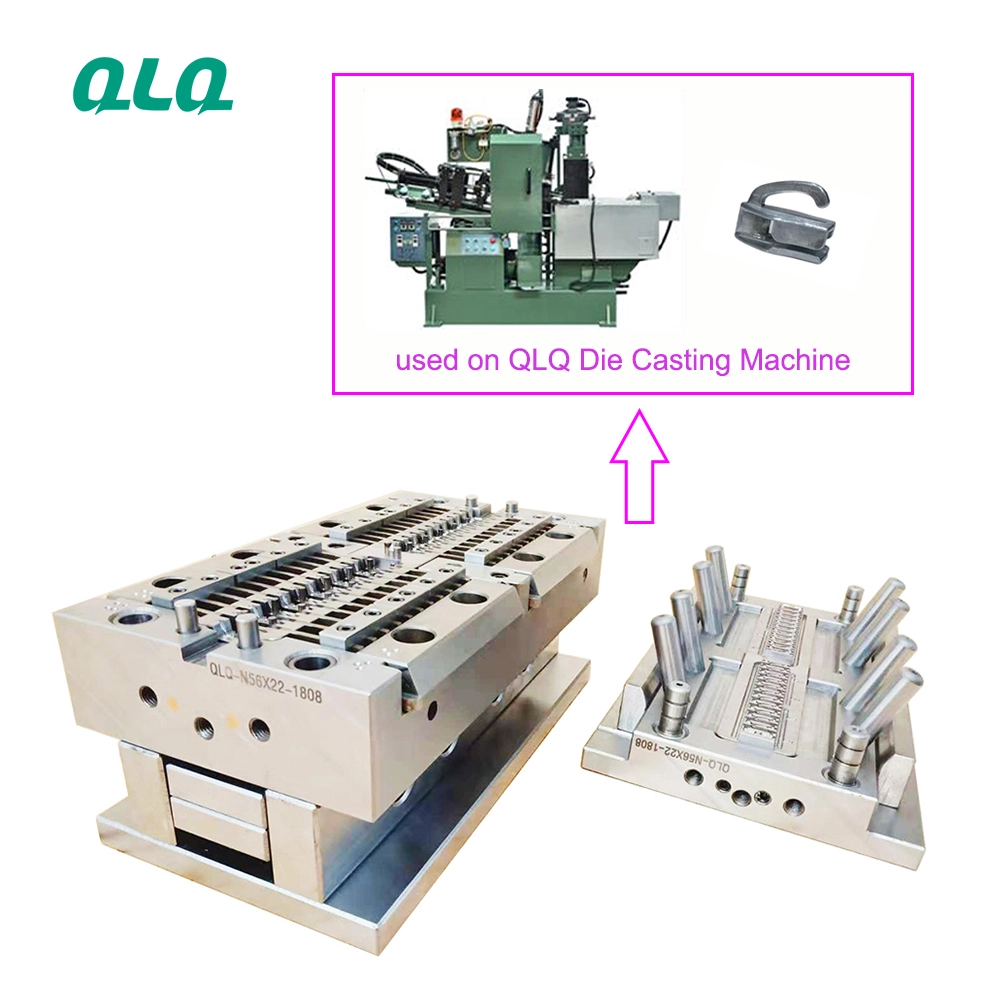
The shot end is where zinc die-casting problems begin: a worn tip, an oval sleeve or a mis-timed plunger changes the shot signature before the cavity ever sees metal.
This intermediate guide covers shot-end tuning: plunger tip fit, sleeve wear limits, shot profile reading and the checks that keep the shot signature healthy.
Common Mistakes and How to Avoid Them
The pitfalls that show up most often in real projects, with the cause and the practical fix.
| Mistake | Why It Happens | Practical Fix |
|---|---|---|
| 1. Worn tip kept running | Flash and metal bleed | Measure tip clearance |
| 2. Sleeve ovality ignored | Erratic shot | Measure at idle |
| 3. Shot profile guessed | Air entrapment | Read the controller curve |
| 4. Tip not logged | Wear surprises | Log per shots |
| 5. Lubrication uneven | Stick-slip motion | Balance the lube |
| 6. Plunger speed wrong | Cold shuts or spray | Tune slow-fast-slow |
| 7. Flash blamed on die only | Shot-end cause | Check tip and sleeve first |
| 8. No shot signature log | Drift invisible | Save profiles |
Best Practices That Hold Up in Production
The operating disciplines that separate a reliable line from a reactive one.
- Measure tip clearance per sleeve spec
- Check sleeve ovality at idle
- Read and log the shot profile
- Track tip life in shots
- Balance shot-end lubrication
Implementation Roadmap
A practical sequence that can be adapted to your own project.
Process Flowchart
Shot-end tuning flow
A step-by-step sequence with notes and cautions so every shift follows the same order.
- The shot signature is the machine fingerprint.
- Flash can start at the shot end, not the die.
- Never measure a hot sleeve with tools in the cavity.
- Lubricant type must match the sleeve.
Working Data & Formula Notes
Shot-end data
Reference values for zinc shot-end tuning.
| Component / Parameter | Working Value / Role | What Changes Mean (annotation) |
|---|---|---|
| Tip clearance | Per sleeve spec (typically 0.05-0.15 mm) | Too tight sticks, too loose bleeds |
| Sleeve ovality | Below 0.1 mm at idle | Oval sleeve = erratic shot |
| Shot profile | Slow-fast-slow | Keeps the front full |
| Tip life | Per shots log | Wear is a cost number |
Reference Data
Specifications and references cited in this guide. Confirm final parameters with your line supplier.
Shot-end check card
| Item | Target | Action |
| Tip clearance | Per spec | Replace tip |
| Sleeve ovality | Below limit | Re-line or replace |
| Shot profile | Slow-fast-slow | Re-program |
| Tip life | Logged | Plan change |
Implementation Cases
Case 1 - flash traced to a worn tip
Situation. Flash appeared on one machine and die work did not fix it; the plunger tip was worn past clearance.
Approach. The tip was replaced, clearance was measured, and tip life logging was introduced.
Outcome. Flash stopped; the shot-end log now predicts tip changes.
Case 2 - an oval sleeve that made the shot erratic
Situation. A machine cycled with an erratic shot and produced spray defects; sleeve ovality measured over the limit at idle.
Approach. The sleeve was re-lined and ovality checks were added to idle maintenance.
Outcome. The shot stabilized and spray defects disappeared.
Frequently Asked Questions
Why does flash start at the shot end?
A worn tip or oval sleeve lets metal bleed before it reaches the die.
What tip clearance is right?
Typically 0.05-0.15 mm per the sleeve spec; too tight sticks, too loose bleeds.
How do I check sleeve ovality?
Measure the sleeve bore at idle in two directions and compare.
What is a healthy shot profile?
Slow-fast-slow: slow start, fast fill, slow end to keep the front full.
Why log tip life?
Wear is predictable in shots; the log plans the change before flash.
Why does lubrication matter?
Uneven lube causes stick-slip motion and an unstable shot.
Should I blame the die first?
No - check tip and sleeve before die work when flash appears.
How do I save a shot signature?
Most controllers store profiles; save one per setup for comparison.
What Would You Like to Solve?
Send us your tip and sleeve sizes, shot profile and the flash pattern. We can help tune the shot end and build the wear log for your zinc machine.
Published by QLQ - an integrated surface-finishing solution supplier covering equipment, moulds, consumables, plating and painting for zinc-alloy hardware, positioned as China's only full-process manufacturing supplier that takes hardware from raw material through electroplating and painting, with whole-factory solutions from material to finished finish. Values cited are project references; confirm with your line supplier before specification.