
Scope of this guide
This management guide translates the process into cost, risk and throughput: what to measure, what to audit and where the money leaks.
Process: Pre-treatment & Cleaning. Figures in this guide are industry-standard starting ranges; confirm against your supplier TDS before locking settings.
Working ranges and control points
The table below is the daily reference for a cleaning line. Set by the card, verify by the control point column.
| Stage / parameter | Typical range | Control point | Watch out |
|---|---|---|---|
| Alkaline soak cleaner | 40–60 g/L, 55–70 °C | Titration 2× per shift | Oil layers shorten bath life |
| Soak time | 3–8 min | Visual water-break-free | Under-clean hides under wax |
| Rinse 1 (counter-flow) | TDS < 5000 ppm | Overflow checked hourly | Drag-in salts to next tank |
| Acid activate, 10–20% | 30–60 s | Bright, uniform etch | Over-etch on brass |
| Rinse after acid | Conductivity < 100 µS/cm | Before every plating tank | Chloride carry-over pits nickel |
Run It As A Business: the management view
Beyond the basic card, this is the layer that matters at your level:
| Cost line | What drives it | Metric to track | Typical lever |
|---|---|---|---|
| Chemicals | Drag-out and bath dumps | Cost per 1000 parts | Rinse counter-flow, drip bars |
| Rework | First-pass yield losses | FPY by defect family | Fix top family first |
| Energy | Heated tanks and idle time | kWh per 1000 parts | Covers, night setback |
| Claims | Escape rate | PPM by customer | Ship gate on FPY |
Standard routine
- Titrate cleaner bath at shift start
- Rack parts to avoid pockets that trap solution
- Observe water-break test after rinse
- Check acid bath strength before activation
- Record tank temps and concentrations in the log
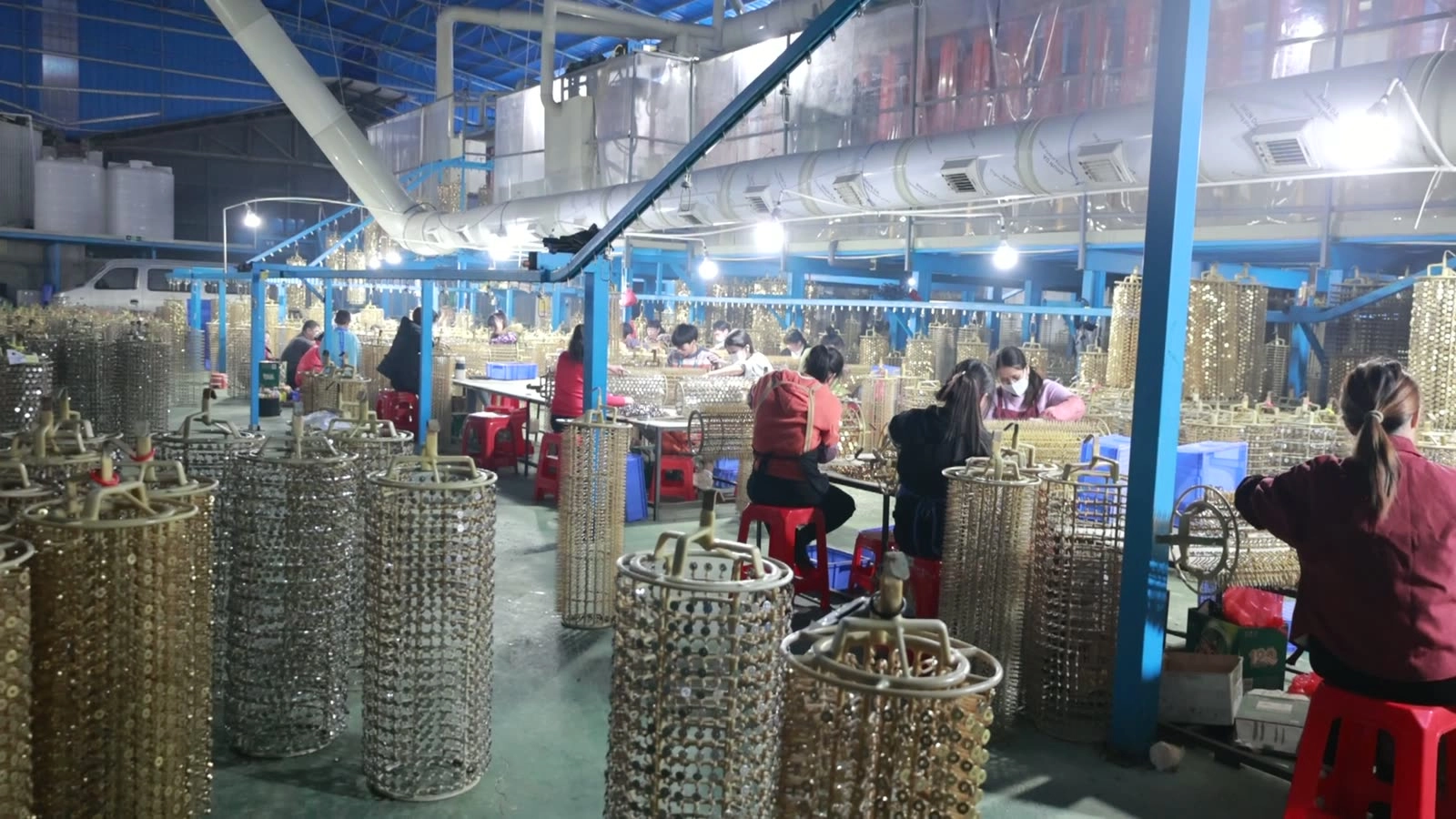
Engineer notes
- Water-break-free surface is the pass criterion — droplets must sheet, not bead
- Counter-flow rinsing halves water use at the same cleanliness
- Replace cleaner before oil carry-over reaches the soak tank walls
- Acid activation time doubles for aged brass — adjust by visual etch
- Never let parts dry between stages; re-soak instead
Safety: Mixing acids and alkalis in the wrong order can splash hot solution. Add chemicals to water, never water to chemicals, and wear face protection.
FAQ
What is the fastest check that cleaning worked?
The water-break test: rinse and hold the part vertically; film should sheet without beads.
Why do parts flash-rust after rinse?
Rinse water is contaminated or dwell before plating is too long. Increase overflow and shorten transfer.
How often should cleaner baths be titrated?
At least twice per shift, plus after any heavy oil load.
Which single metric should I start reporting weekly?
First-pass yield by defect family; it exposes rework cost and points at the largest lever.