
The question every buyer asks
For plated hardware to pass OEKO-TEX, the decisive parameter is nickel release under EN 1811 — a limit of 0.5 μg/cm²/week — along with extractable heavy-metal limits. A common confusion: nickel release is not the same as nickel content, so barrier-layer design, not nickel-free alloy claims, is what actually achieves compliance.
Parameters are industry-standard starting ranges; confirm against your supplier TDS.
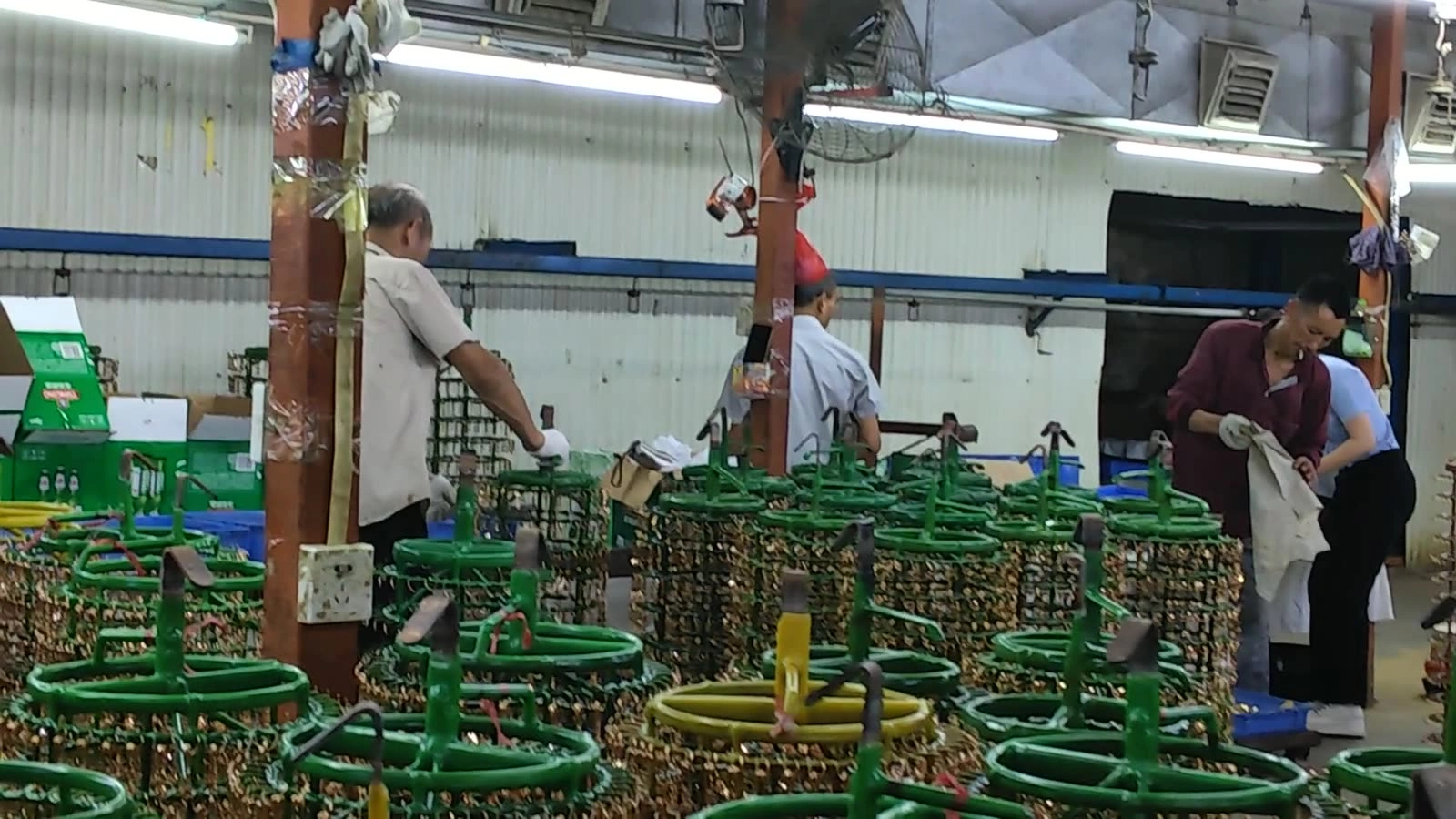
How we handle it on the line
- Core test: nickel release per EN 1811, limit ≤0.5 μg/cm²/week, plus OEKO-TEX extractable heavy-metal limits.
- Nickel release ≠ nickel content: a controlled barrier coating over a nickel-containing layer is the standard way to pass.
- Jewelry and apparel hardware in direct skin contact face the strictest category requirements (DIRECT CONTACT).
- Specification advice: write the test method and the limit directly into the spec sheet for children's and next-to-skin categories.
- Verification should happen at sampling stage, not only at bulk delivery — barrier-layer performance is process-dependent.
- QLQ's plating system is designed to OEKO-TEX appendix requirements; metal parts can ship with EN 1811/REACH test reports batch by batch.
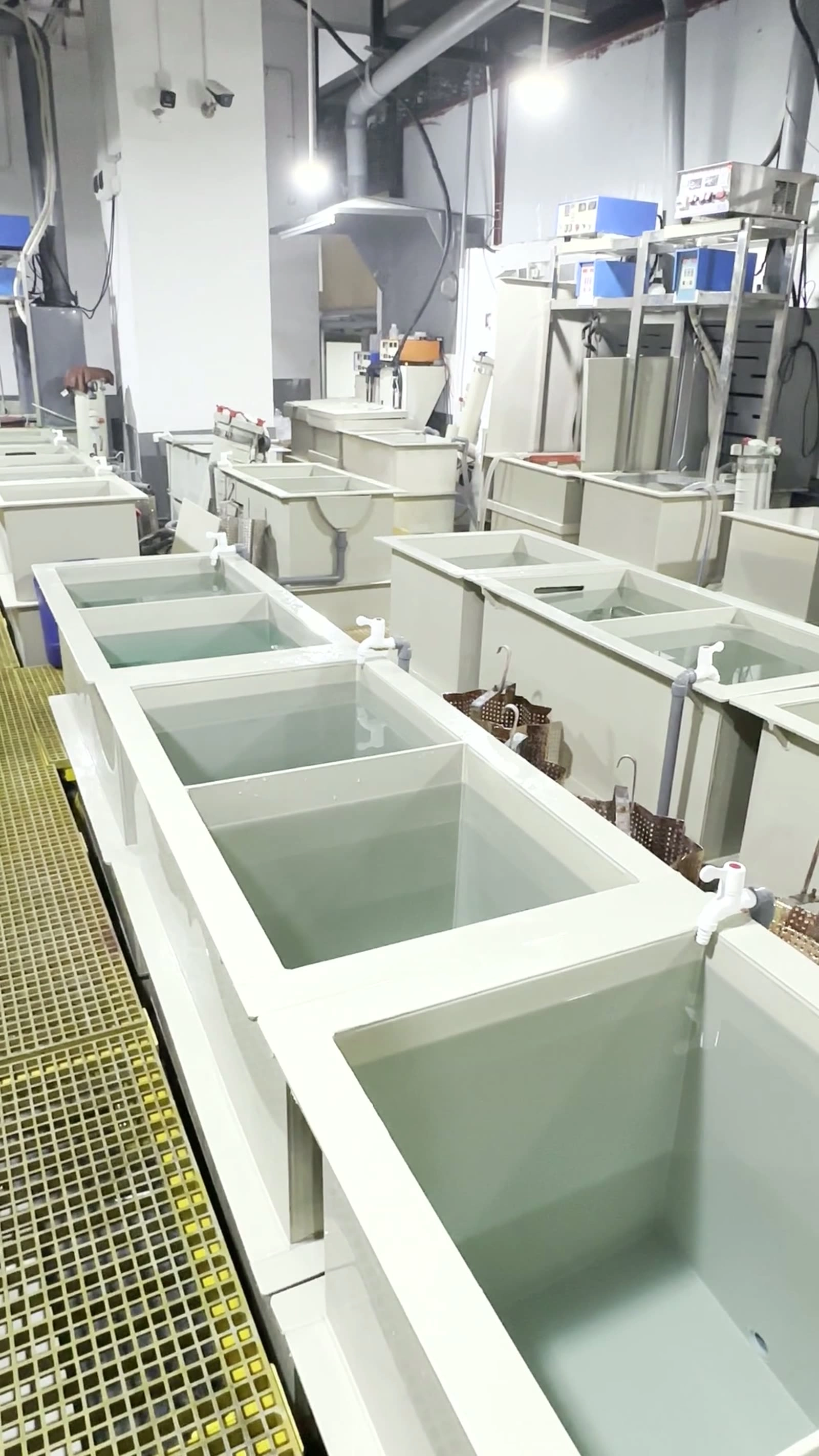
Honest boundaries
- Nickel release results depend on wear conditions; the EN 1811 figure is a standardised lab value, not a promise for every wearer.
- Passing OEKO-TEX on one article type does not automatically certify every plated component in your product.
- Barrier-layer compliance can degrade if coatings are abraded through — heavy abrasion scenarios need project-specific testing.
FAQ
What does OEKO-TEX actually test on plated hardware?
Mainly nickel release under EN 1811 (≤0.5 μg/cm²/week) plus extractable heavy metals. Direct-contact categories like jewelry and next-to-skin hardware face the strictest limits.
Is 'nickel-free' the same as passing EN 1811?
No. Nickel release, not nickel content, is the tested parameter — a proper barrier coating over nickel-bearing layers is the standard compliance route.
Should I test plated hardware at sampling or wait for bulk production?
Verify at sampling and batch-wise at bulk. QLQ can attach EN 1811/REACH test reports batch by batch, and spec sheets for children's products should name the method and limit directly.
Do all plated components need their own EN 1811 report?
Results are article-specific; passing on one component does not cover others. QLQ designs its plating system to OEKO-TEX appendix requirements and reports per batch.