
The question every buyer asks
Liquid paint versus powder coating is presented by many suppliers as a taste decision. It is actually an engineering trade-off: powder wins on durability and cost, liquid wins on finish refinement and color range.
Parameters are industry-standard starting ranges; confirm against your supplier TDS.
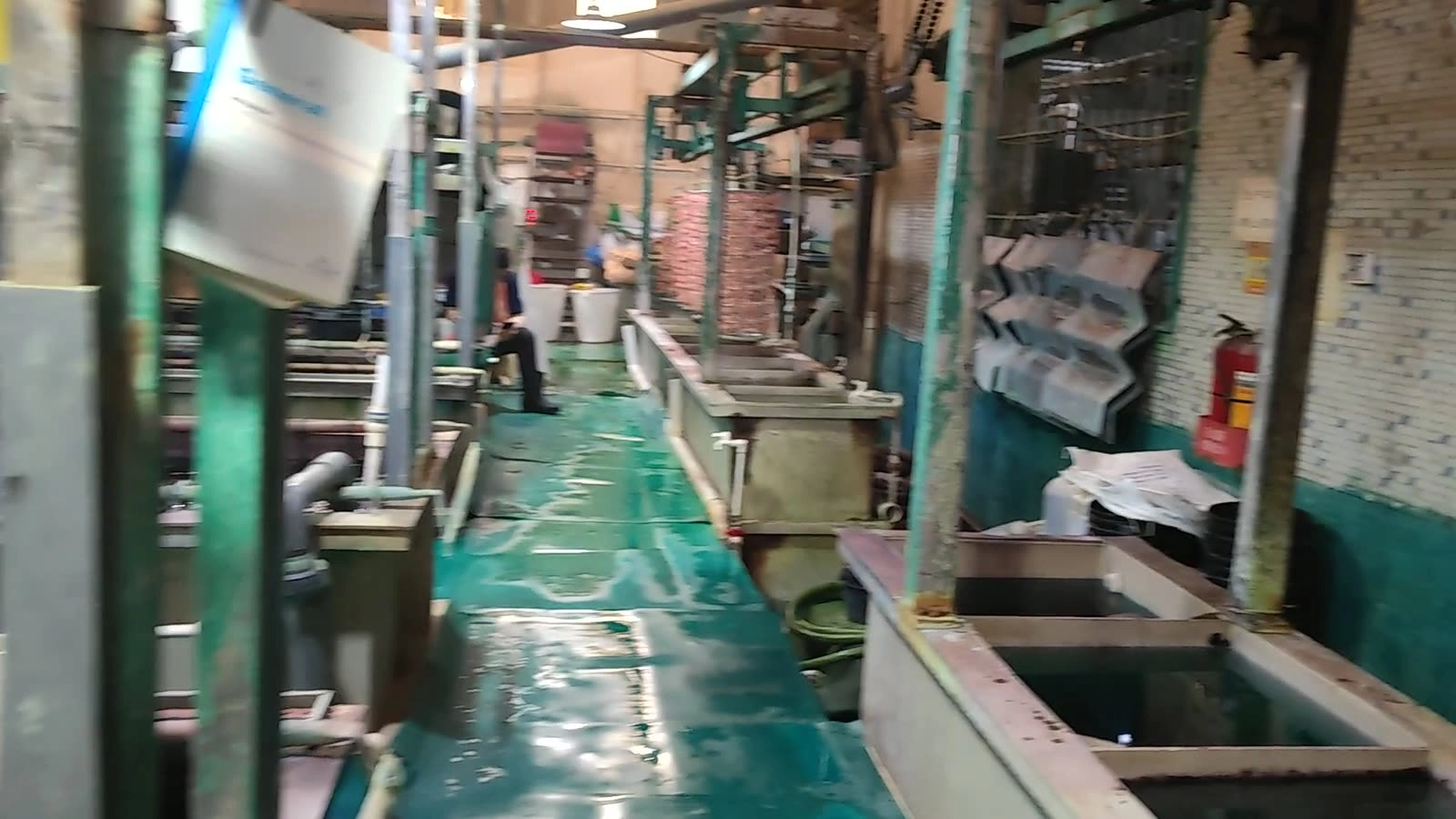
How we handle it on the line
- Powder coating film thickness is 3-10x that of liquid paint — correspondingly stronger wear and corrosion resistance.
- Powder contains no VOC and has lower per-part cost; the trade-off is a narrower color range (metallic and fluorescent effects are weak).
- Liquid paint gives a finer, more refined appearance and a wide color gamut, at the cost of high VOC and weaker wear resistance.
- Luggage and bag hardware at scale is overwhelmingly powder-coated; premium sliders with wide color requirements move to baked enamel (UV) liquid lines.
- Deep cavities and recesses are hard to powder-coat (Faraday cage effect) — consider e-coat (electrophoresis) for those geometries.
- QLQ runs both process lines (in China and Bangladesh) and recommends by appearance requirement and film-thickness need — not by what is more expensive.
Honest boundaries
- Powder cannot reproduce the full liquid-paint color gamut; effect colors may need liquid or UV enamel lines.
- Film-thickness advantage means powder is not suited where tight dimensional tolerance matters.
- Recommendations assume standard part sizes; very small or very recessed parts shift the calculus toward e-coat.
FAQ
Should I choose liquid paint or powder coating for my hardware?
Powder for durability and cost: film thickness 3-10x liquid, no VOC, cheaper per part. Liquid paint when you need fine finish and a wide color gamut, accepting higher VOC and less wear resistance.
Why does powder coating fail to cover the inside corners of my parts?
Deep recesses are hard to powder-charge (Faraday cage effect). For cavity-heavy geometries consider e-coat/electrophoresis instead of forcing powder.
Is powder coating always the cheaper option?
For standard hardware at scale, yes — thicker film, no VOC, lower cost. Effect colors and ultra-fine finishes push you to liquid or UV baked enamel, which cost more.
Can one supplier handle both liquid and powder for my product line?
QLQ operates both lines — in China and Bangladesh — and recommends by appearance and film-thickness requirements rather than pushing the pricier process.