

Vibration, Centrifugal, Magnetic & Electrolytic Polishing — A Complete Comparison
Four mechanical finishing methods compared head-to-head: process parameters, surface results, cost, and which parts each method suits best.
Four Polishing Methods at a Glance
Each method has a sweet spot — the right choice depends on part geometry, target roughness and volume
Vibration Polishing
35–45 Hz, Ra ≤ 0.4 μm
Centrifugal Polishing
High speed, small parts
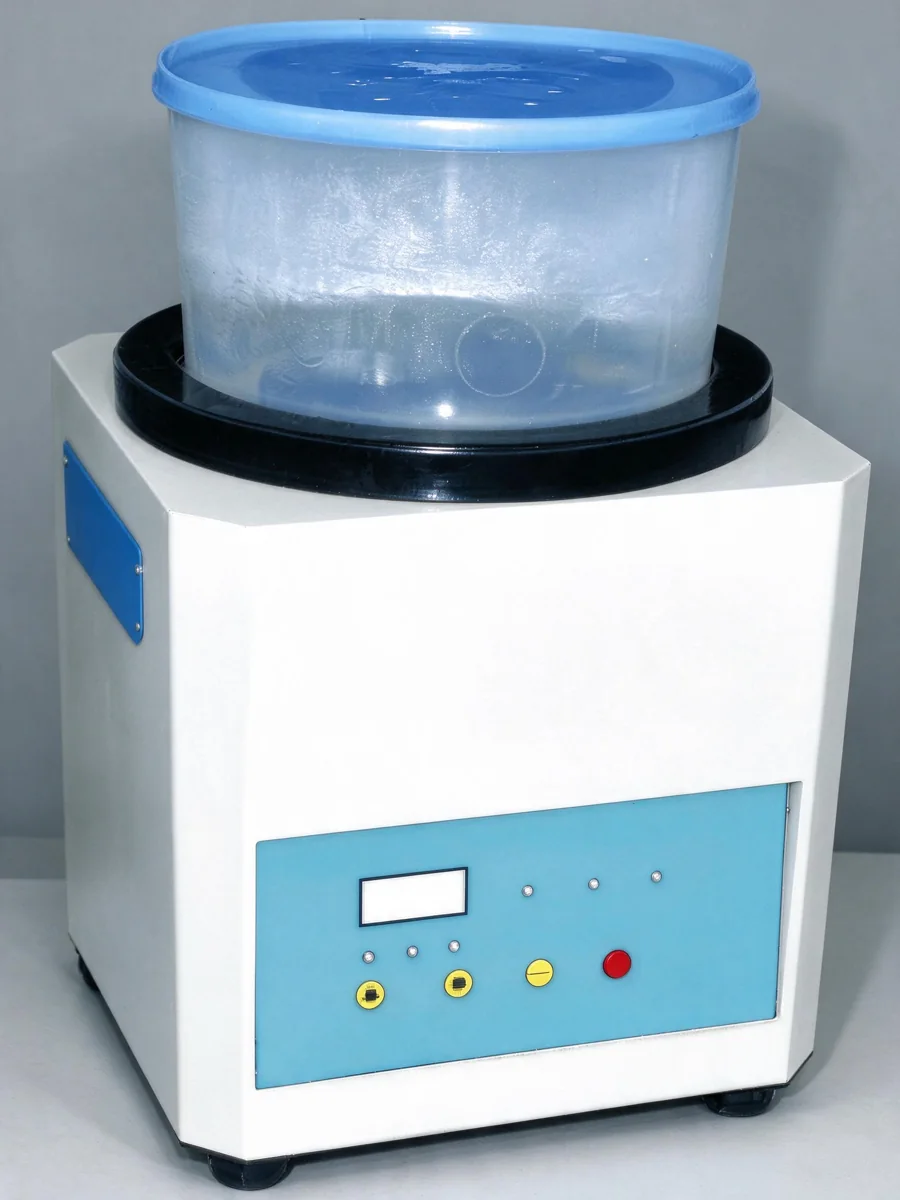 Conceptual illustration based on reference photographs; not test evidence.
Magnetic Polishing
Complex internal cavities
Electropolishing
Brightness + passivation
How Each Method Works
Four technologies, each with its own process window
1Vibration Polishing
Workpieces + ceramic/polyethylene media + compound in an oscillating bowl at 35–45 Hz. Ideal for deburring precision machined parts (Ra ≤ 0.4 μm). Batch process, gentle on edges.
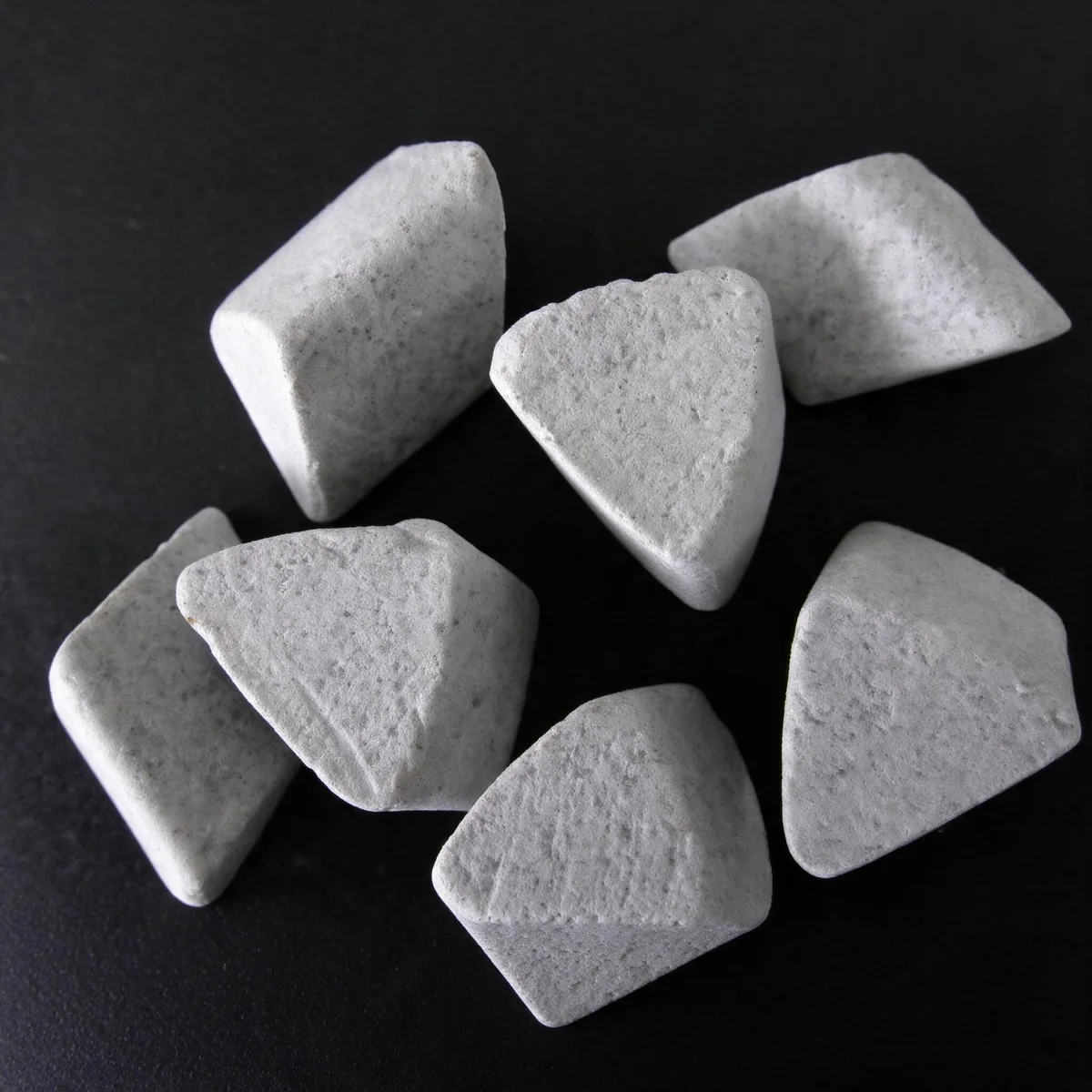 Conceptual illustration based on reference photographs; not test evidence.
2Centrifugal Polishing
High-speed rotating barrel — parts + media pressed against the wall by centrifugal force. Fastest method for small sturdy parts (zipper pulls, small buckles, buttons). 5–15 min cycles.
3Magnetic Polishing
Stainless steel needles (0.5–2.0 mm diameter) suspended in a rotating magnetic field. The needles penetrate slots, threaded holes and internal cavities that other methods can't reach.
4Electropolishing (Electrolytic)
Anodic dissolution in a phosphoric-sulfuric acid bath. Removes 0.01–0.05 mm of surface metal, micro-smoothing to Ra ≤ 0.2 μm. Also passivates stainless steel — best for food/medical grade parts.
Comparison Table — Pick the Right Method
For every part geometry we recommend the best fit — and we can combine methods
| Method | Best For | Roughness | Cycle Time | Cost | Edge Damage Risk |
|---|---|---|---|---|---|
| Vibration | Precision parts, deburring | Ra ≤ 0.4 μm | 30–90 min | Low | Low |
| Centrifugal | Small, sturdy parts | Ra ≤ 0.3 μm | 5–15 min | Very low | Medium |
| Magnetic | Complex cavities, threads | Ra ≤ 0.3 μm | 15–60 min | Medium | Very low |
| Electropolish | Stainless steel finish | Ra ≤ 0.2 μm | 3–10 min | High | None |
📌 Polishing Method Quick Reference
FAQ
Which method is best for deburring zinc alloy zipper sliders?
Can magnetic polishing clean internal threads?
Does electropolishing change part dimensions?
Which method gives the best Ra value?
Can you combine methods on one part?
Get a Free Quote Today
Send us your samples or drawings — our engineers reply within 24 hours with pricing and technical advice.
Contact Us